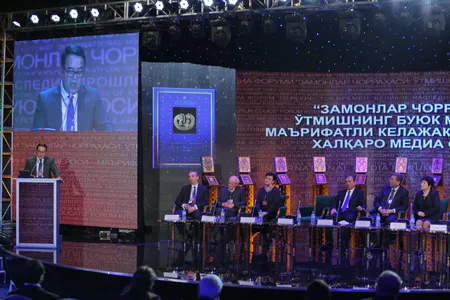
Документальный фильм о Коране Османа снимают BBC и Всемирное общество в Ташкенте, Санкт-Петербурге и Уфе
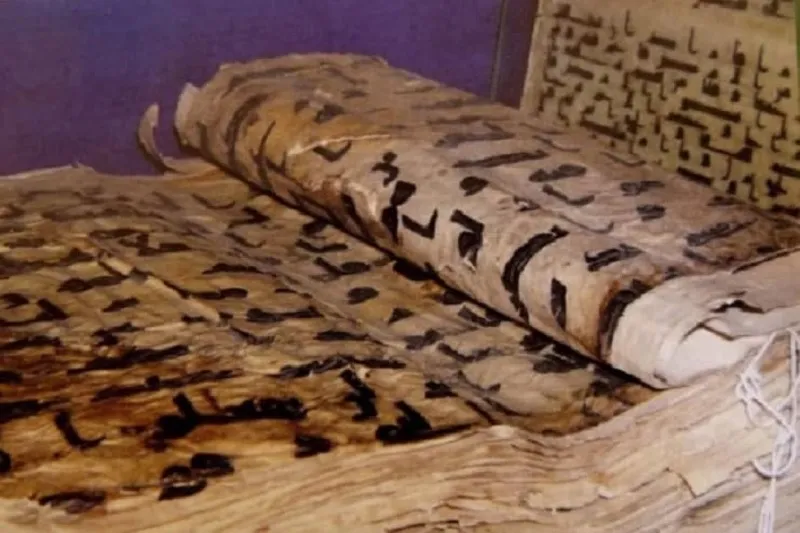
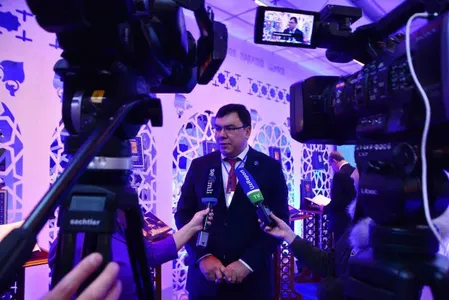
6 июля 2021 года в Ташкенте, Санкт-Петербурге и Уфе прошли съемки документального фильма о священной для мусульман реликвии.
Узбекская служба Би-би-си в сотрудничестве с НАЭСМИ при содействии международных историков и корановедов и спонсорской поддержке международной нефтесервисной компании Eriell Group создали документальный фильм о Коране Османа.
Об этом стало известно в рамках состоявшейся ZООM-конференции с участием председателя правления Всемирного общества по изучению, сохранению и популяризации культурного наследия Узбекистана Фирдавса Абдухаликова, автором фильма - журналистом узбекской службы BBC Луизой Худайкуловой и редактором узбекской службы BBC Хайрулло Убайдуллаевым.
История скитаний священной книги в тот период, когда она оказалась за пределами мусульманского мира, до сих полна загадок, ответы на которые постараются найти авторы фильма. Как случилось, что бесценная реликвия была продана за 100 рублей? Какова судьба пятидесяти копий, сделанных в Санкт-Петербурге, и ушедших за баснословные деньги в страны Востока? Что за указ, «благодаря» которому священный Коран Османа оказался в муфтияте Уфы, тогдашнем центре ислама в России, и роль Ленина в его судьбе — именно по его решению Коран Османа в специальном вагоне спецпоезда через Оренбург привезли в Ташкент и передали на его историческую родину.
Авторы фильма постарались найти ответы на эти и многие другие вопросы. В фильме рассказывается, как русский генерал Абрамов в конце XIX века выкупил священный Коран у мулл мечети Ходжи Ахрара за символическое вознаграждение, передал его генерал-губернатору Туркестана Константину фон Кауфману, который и препроводил священный манускрипт в Россию, — так он оказался в отделе рукописей Императорской библиотеки в Санкт-Петербурге. И представлены все перипетии его возвращения на историческую родину, вплоть до передачи в религиозный комплекс Хаст Имам в Ташкентe.
Настоящим украшением картины стала интеграция в ленту повествования архивных документов и инсценировок исторических событий, воссозданных с помощью ярких художественных образов на локациях, воссоздающих необходимую атмосферу. Фильм включает кадры хроники с рассказами очевидцев передачи Корана Османа Управлению мусульман Центральной Азии и Казахстана в 1989 году.
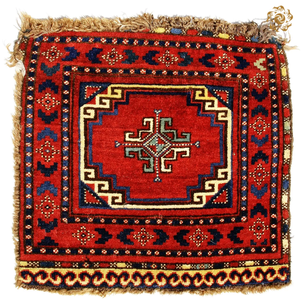
Happiness in Carpets
Pileless carpets, such as gadjari, ok-enli, and kiz-gilam, represent a unique art form that reflects the rich cultural tradition of Uzbekistan. The craftswomen who create these carpets use ancient techniques and symbolism, making each piece not only beautiful but also deeply meaningful. What kind of meaning? We’ll explain here:
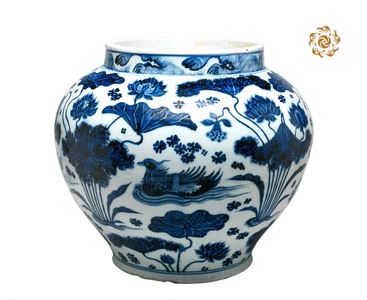
"Timurid ceramics as part of the art of Chinese porcelain"
Timurid ceramics and Chinese blue-and-white porcelain represent significant elements of the cultural exchange that occurred in Central Asia during the 15th and 16th centuries. Let's explore how it all began:
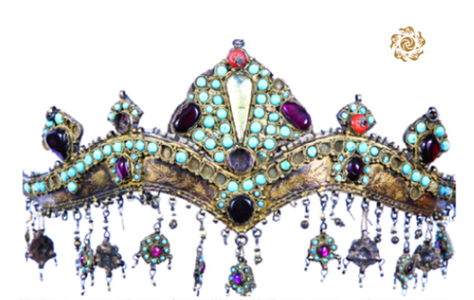
"Golden Eyebrows" of the Fergana Valley
Women's forehead ornaments of the Fergana Valley and Tashkent are a vivid example of the traditional art and culture of this region. However, the tillya-kosh, or "golden eyebrows," is a special detail:
Charmduzy are masters of all trades from Samarkand and Bukhara
The Charmduzy, leather craftsmen of Central Asia, were renowned for their artistry and skill, creating unique items in front of their clients. In the bustling bazaars of Samarkand and Bukhara, they transformed ordinary pieces of leather into true works of art. Here’s how they did it:
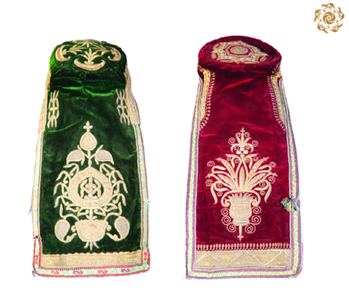
How the headdress was used to determine the status of women in Bukhara?
The telpak and kaltapushak are not only beautiful but also symbolic elements of women's wardrobe in the late 19th century. These headpieces can be used to determine the wealth of urban women in Bukhara. Here’s how:
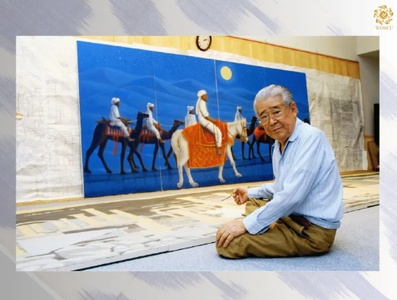
How Uzbekistan Changed the Life of a Japanese Artist Who Survived the Atomic Bombing
Renowned Japanese artist Hirayama Ikuo survived the atomic bombing in 1945. In 1959, he learns that he is terminally ill with leukemia. At that time, he creates a painting dedicated to the origins of Buddhist teachings, titled 'The Origin of Buddhism,' inspired by the journey of the Chinese monk Xuanzang along the Silk Road in the 7th century. The artist believes that this work might be the last of his life... What happened next? Read here:
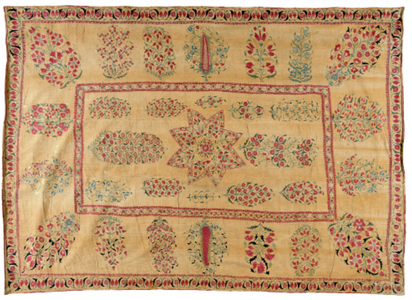
How does the magic of suzani work?
Suzani is the main type of wedding embroidery that originally served as a cover for the newlyweds' bed. By the end of the 19th century, suzani covers began to be used as wall hangings as well. However, this beautiful textile product has always held a magical significance for the people of Central Asia, particularly in Uzbekistan. What is that significance? Let’s explore here.
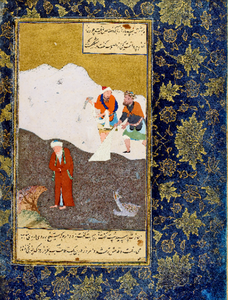
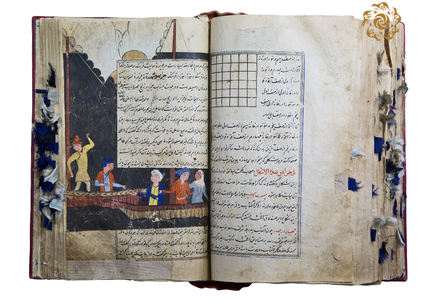
Humor in the Miniatures of Medieval Bukhara
In the work of the great writer Saadi, "Gulistan," there are many vivid and instructive stories and parables. This left ample room for creativity for the artists who adorned copies of this remarkable work with their miniatures. Despite the humility that the author advocates in his writings, one Bukhara artist from the 16th century infused the manuscript with a touch of humor. Here’s what we find:
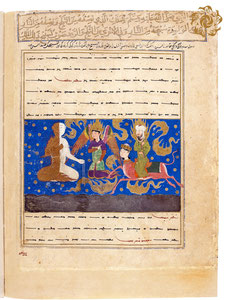
"Mirajnama" at the Court of Louis XIV
The National Library of France has a rich history, beginning with its establishment as the royal library. An important milestone in its development was the accumulation of manuscripts from Central Asia, which contributed to the expansion of knowledge about Eastern culture and literature. One of the key acquisitions was the famous manuscript "Mirajnama," which arrived in Paris in the 17th century. Read here about how this ancient manuscript came into the hands of the Musketeers’ ruler, Louis XIV.
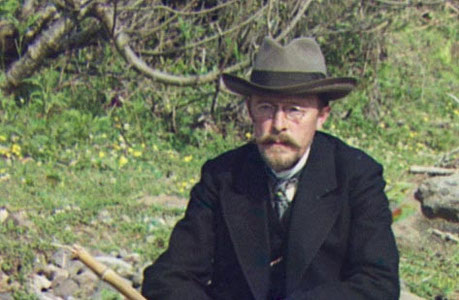
Did Prokudin-Gorsky work as a tax collector in Turkestan?
Pioneer of color photography in the Russian Empire, author of hundreds of photographs of Turkestan and the famous photograph of the Emir of Bukhara, Prokudin-Gorsky made a significant contribution to the cultural heritage of both Uzbekistan and the world. His works are stored in the Library of Congress in the USA, and exhibitions are held worldwide. But was photography his primary occupation, or were the photographs merely a hobby while he earned his living as a tax collector in Turkestan, a role often despised in the regions of the Russian Empire? Let's explore this here.
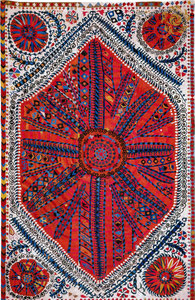
Suzani, bringing happiness to collectors in the USA
Unique suzanis from the Bukhara Emirate of the 18th century, featuring large medallions and inscriptions by Karman (Kermine), evoke a sense of happiness in the hearts of Bruce and Olive Baganz, who cherish them in their collection in the USA.
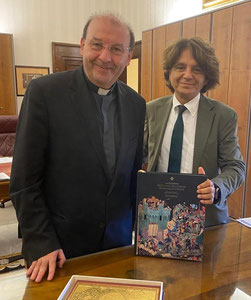
The Vatican Library is planning to engage WOSCU in the study of its archives
The Prefect (General Director) of the Vatican Apostolic Library, Mauro Mantovani, has not ruled out the possibility of close collaboration with WOSCU and the involvement of orientalists from the World Society in studying the archives of one of the unique libraries in the world.
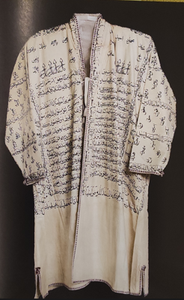
Scientists have proposed that the Center for Islamic Civilization (CIC) and WOSCU study the "contract of Muhammad with the jinn" and the robe of the Quran.
During the VIII Congress of WOSCU, dedicated to the activities of the Center for Islamic Civilization, Deputy Director for Research at the State Museum of the History of Religion, Ekaterina Teryukova, presented a report on a collaborative research project titled "Religious and Domestic Cult Objects from Uzbekistan in the Collection of the Museum of the History of Religion: History, Attribution, Restoration," in collaboration with museum researcher Irina Osmanova.
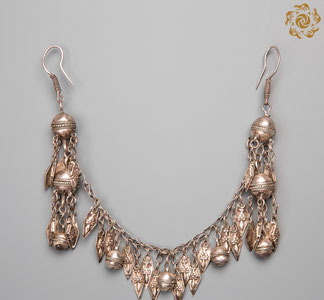
Karakalpak jewelry in the collection of the Russian Ethnographic Museum
Karakalpak jewelry, presented in the Russian Ethnographic Museum, reflects the rich cultural tradition and artistic mastery of this people. Among them, various types of women's pectoral jewelry, earrings, rings and bracelets stand out, each of which carries unique symbolism and meaning.
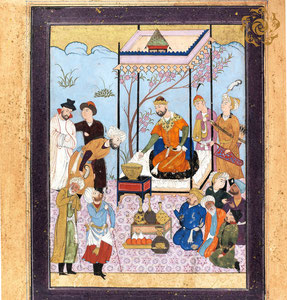
Alexander the Great and the Riddle of the Cup of Jamshid
The miniature "Seven Sages," dated around 1590, serves as an intriguing example of the interaction between various cultures and traditions in the art of that time. It likely depicts Iskandar (Alexander the Great) surrounded by seven philosophers, who may symbolize the wisdom and knowledge of different peoples studying the Cup of Jamshid.
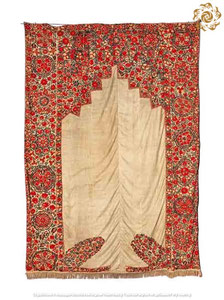
Ruidjo - the mystery of family happiness
Ruidjo is not just an element of textile, but a symbol of tradition and culture, which plays an important role in the life of newlyweds. An embroidered sheet, sewn from four strips of cotton fabric, is a work of art in which every detail matters.
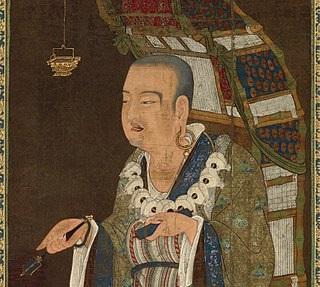
Chinese monk inspired Japanese to study Central Asia
In the 7th century, the Chinese monk Xuanzang traveled through Central Asia to India in search of Buddhist sutras, writing about it in his travel notes “Journey to the Western Region.” Hundreds of years later, it was this work that inspired Japanese explorers in the 19th and 20th centuries to study the region.
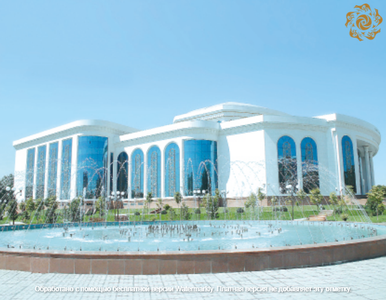
The National Library of Uzbekistan - a journey of one and a half centuries
For more than 150 years of its existence, the National Library of Uzbekistan named after Alisher Navoi has gone through an amazing and difficult path of development, associated with the search and study of unique manuscripts, authorship of outstanding personalities of different eras. In this video, we will be introduced to the history of the remarkable library and its impressive collection.
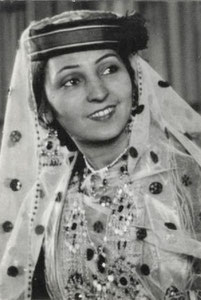
How did costume influence Tamara Khanum’s career?
Tamara Khanum, a famous Uzbek actress and dancer, left a bright mark in the history of Uzbek art. Her concert costume, kept in the State Historical Museum, is not only an element of her stage image, but also a symbol of the cultural heritage of Uzbekistan.
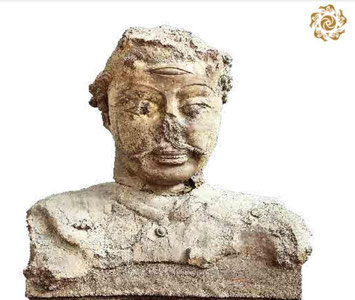
Kova is an ancient center of Buddhist culture
Archaeological excavations on the outskirts of the city of Kuva have uncovered the remains of a Buddhist temple dating back to the 7th century. This discovery proves that Kuva became an important center of religious life in its time.
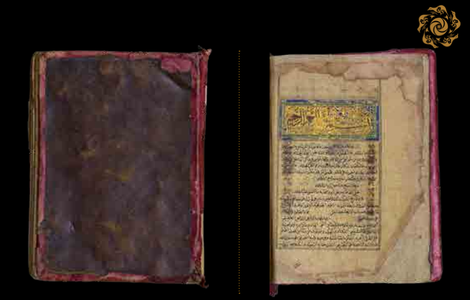
Handwritten monuments of Turkish history in Tashkent's Beruni Institute
The history of Turkey in the collection of the Abu Rayhan Beruni Institute of Oriental Studies is represented by six manuscripts, including "Tarikh" ("History") and "Misbah al-sari wa nuzhat al-kari" ("Lamp for the Traveler and Consolation for the Reader"). These works present important milestones in the history of the Ottoman Empire.
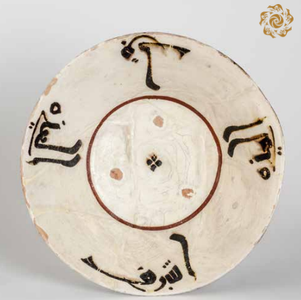
Hadiths and wishes on ceramic dishes
Glazed ceramics decor of the 10th-12th centuries. Excellently reflect the significant changes that came to the culet and art of the Central Asian region as a result of the spread of Islam. Completely new characteristics of Islamic art.
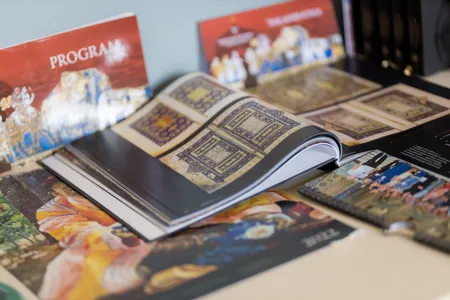
The book under the microscope: Where are our books printed?
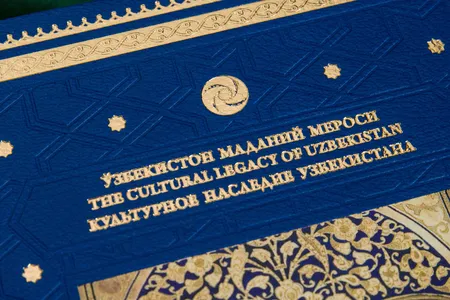
The book under the microscope: book printing
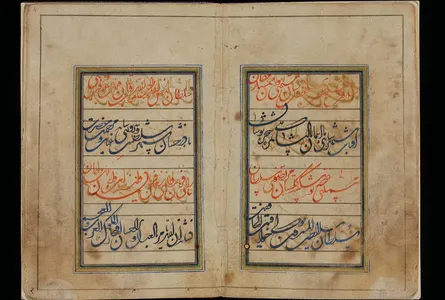
The Taliq script: "suspended" and official
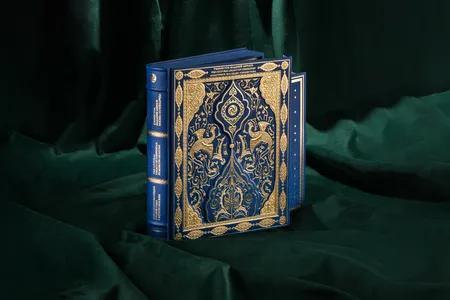
The book under the microscope: Luxury squared
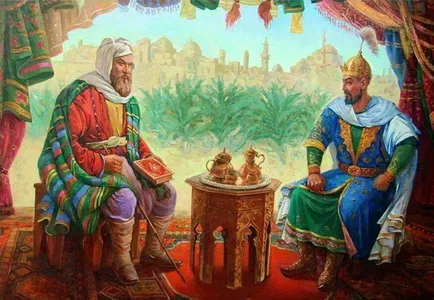
How to meet the Emir? Or the whole truth about Amir Timur's favorite musical instrument.

How much money did Navoi have?
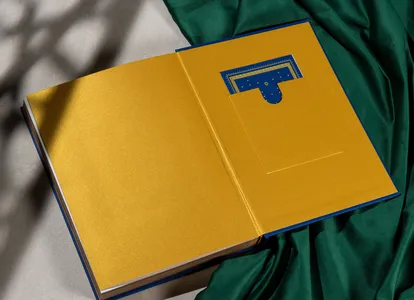
Book under the microscope: What does the book consist of?
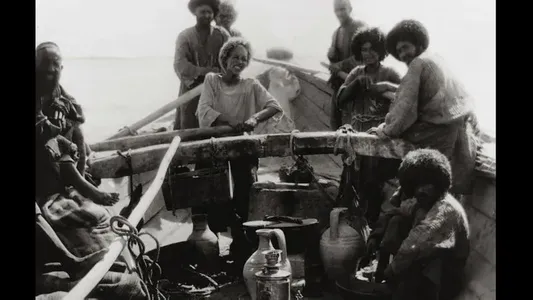
What was Uzbekistan like in the middle of the 19th century? Everyone will have a unique chance to see exclusive rare pictures of cities, palaces and customs
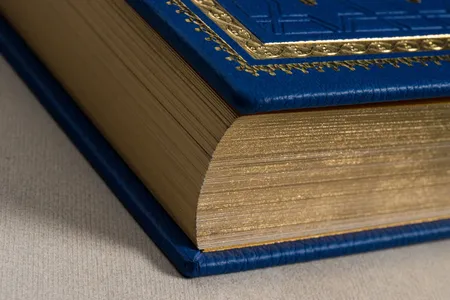
The book under the microscope: Paints and Gilding
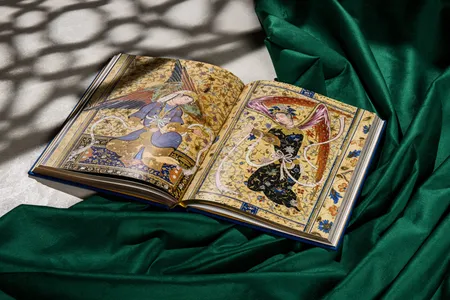
Book under the microscope: Paper
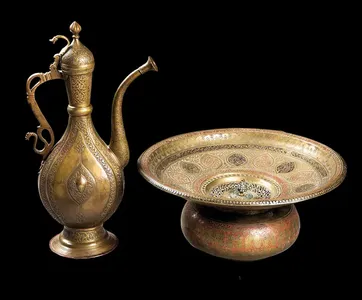
AISAN STYLE SCRUBBLEDUB! LET’S CALL THE JUGS CORRECTLY!
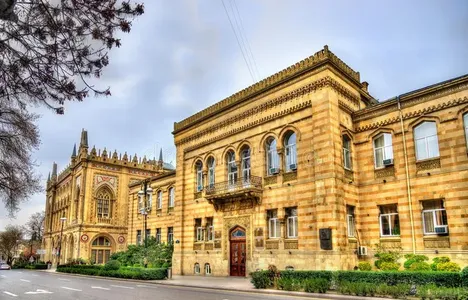
Health Secrets of AVICENNA
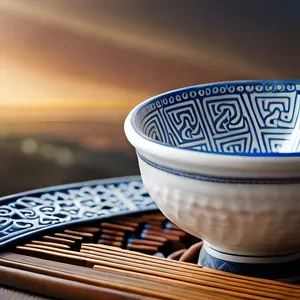
BLUEBIRD OF HAPPINESS ON THE BOTTOM OF A PIALA. FIND OUT IF THERE ARE ANY MUSEUM RARITIES IN YOUR HOUSE?
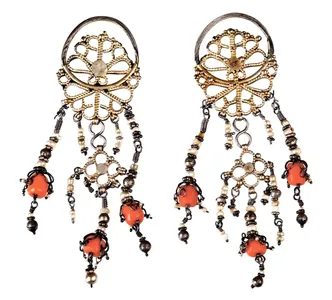
How were jewelers able to masterfully create cheap adornments which looked expensive?
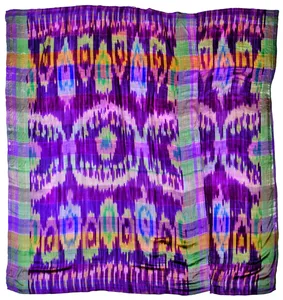
Price for fabrics in medieval Uzbekistan: by selling only one curtain, it was possible to pay the entire land tax
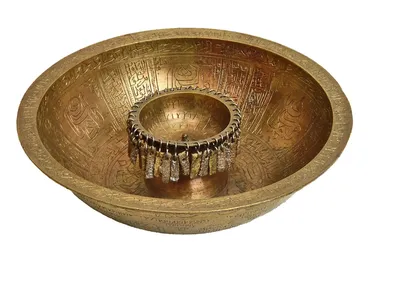
How was water sanctified and used to treat all diseases in Uzbekistan since ancient times?
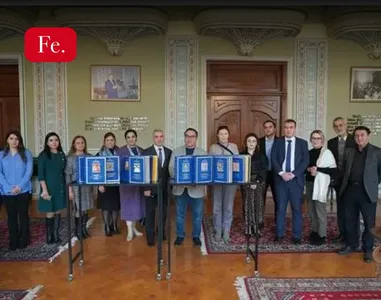
Fergana.ru: The Institute of Manuscripts of Azerbaijan was donated albums about the cultural heritage of Uzbekistan
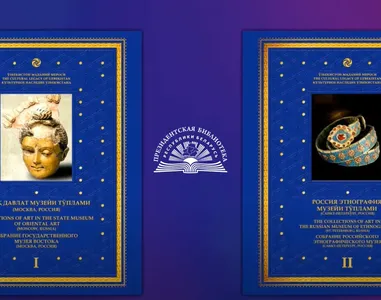
Presidential Library of the Republic of Belarus: Cultural Heritage of Uzbekistan
Euronews: Uzbekistan embraces heritage to secure cultural future
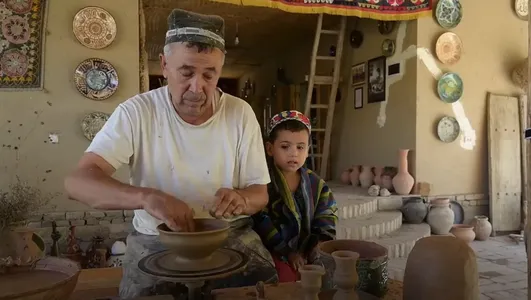
Cultural Legacy of Uzbekistan in World Collections project has published 60 volumes of book-albums
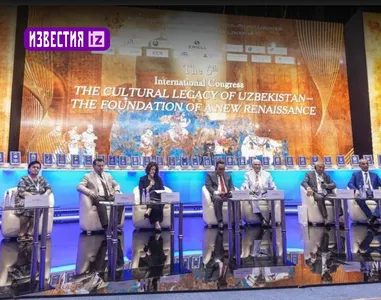
Izvestiya: The Orient is a museum matter: why the Hermitage needs Uzbek weapons
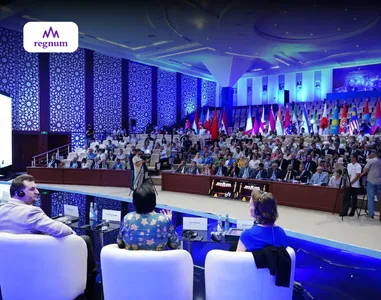
Regnum: Over 250 orientalists will take part in the congress in Uzbekistan
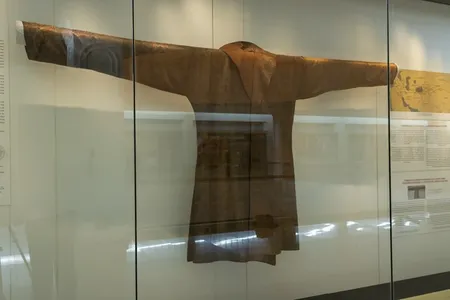
A book devoted to the unique Uzbek collection from the Malaysian Al-Bukhari Foundation to be presented in Uzbekistan
Book revealing main stages in cinema development to be published in Uzbekistan
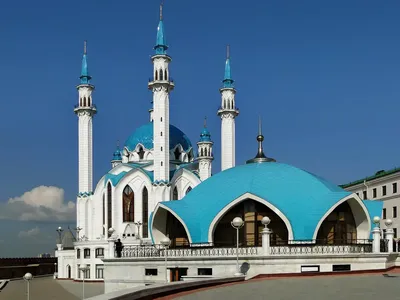
Uzbekistan presents a book dedicated to the Uzbek Legacy in the museums of the Republic of Tatarstan
35 volumes of Cultural Heritage of Uzbekistan in World Collections series presented to Uzbek Academy of Sciences
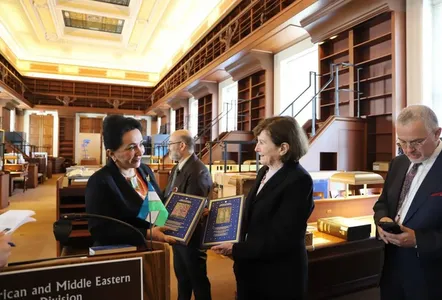
Tanzilya Narbayeva, the President of the Senate of Uzbekistan presented the books of the project Cultural Legacy of Uzbekistan in the World Collections
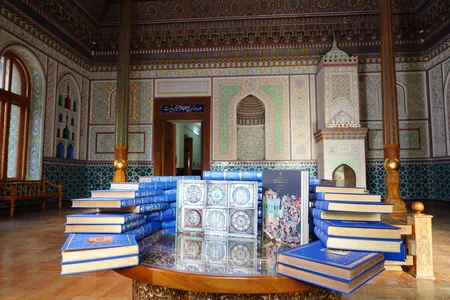
Masterpieces of cultural legacy of Uzbekistan described in 50 albums
A volume on artifacts of the cultural legacy of Uzbekistan from private collections in the USA and Canada has been published
Aziz Abduhakimov: project "Cultural legacy of Uzbekistan" is a unique initiative
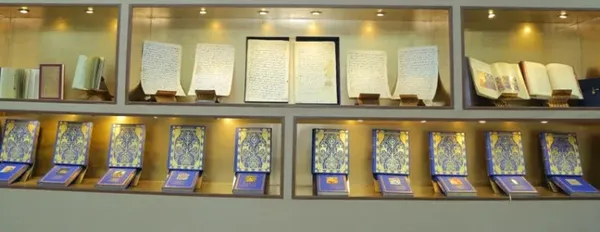
The exhibition "Cultural Legacy of Uzbekistan" opened in the Museum of the History of the Temurids
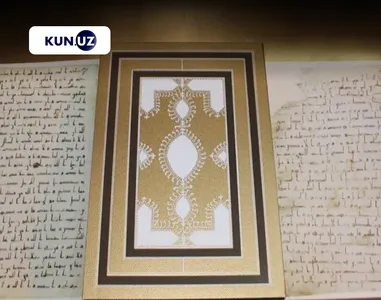
Kun.uz : Presentation of Cultural Legacy of Central Asia in Japanese Collections prepared by seven museums in Japan has been held.
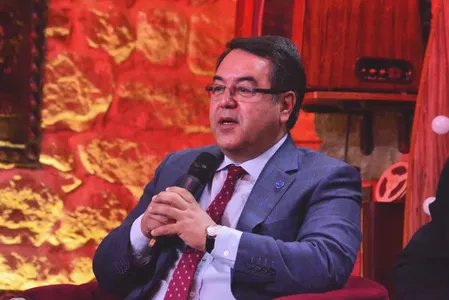
Firdavs Abdukhalikov, "We must educate our youth"

The Cultural Legacy of Uzbekistan project is preparing a grand event
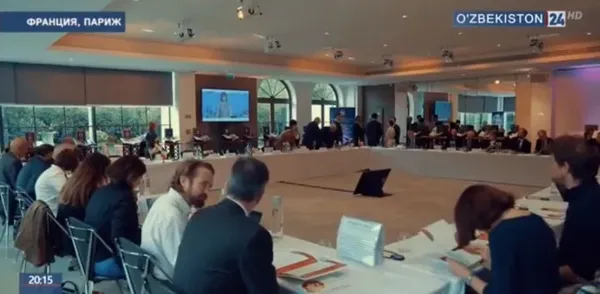
The cultural legacy of Uzbekistan was presented in Paris
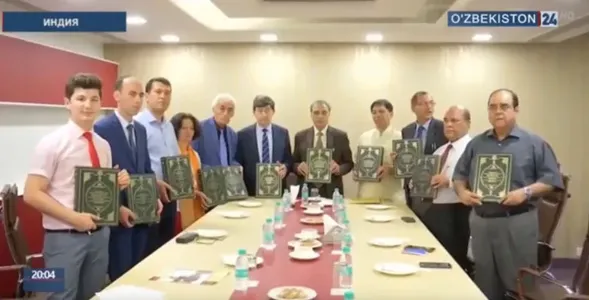
Dialogue of Cultures: the Cultural Legacy of Uzbekistan presented in Delhi
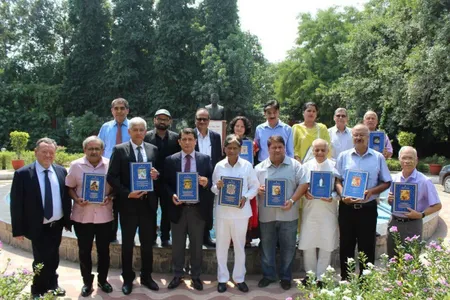
Presentation of a series of books on the cultural heritage of Uzbekistan was held in Delhi
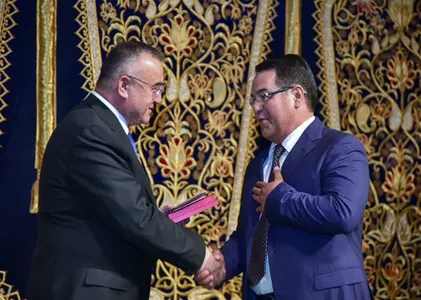
The author of the project "Cultural Legacy of Uzbekistan in World Collections" was awarded the "Mekhnat Shukhrati" Order
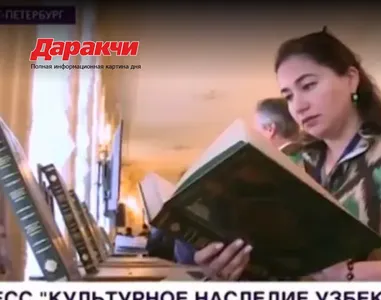
Darakchi: "Mir 24" channel about the congress in St. Petersburg
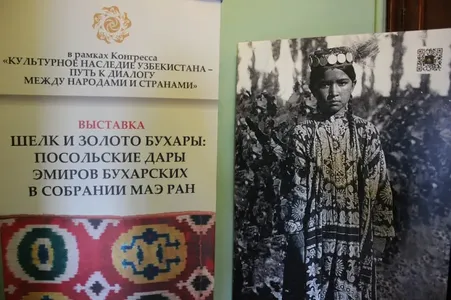
Silk ikats from Bukhara in the center of St. Petersburg
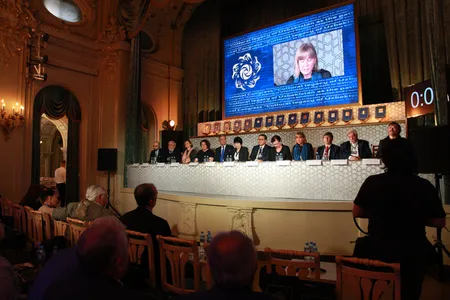
International Congress in St. Petersburg is ready to open
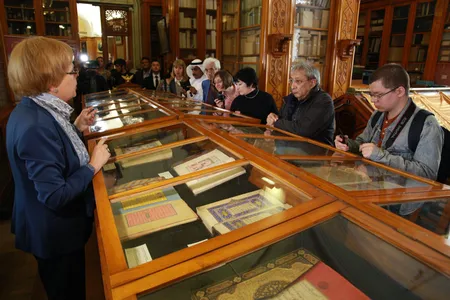
An exhibition of manuscripts by Alisher Navoi was held in the Russian Library
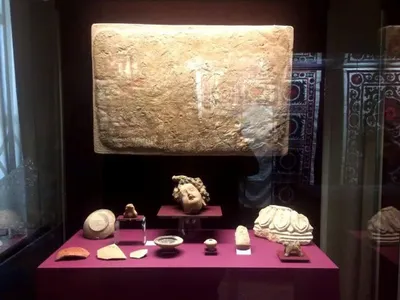
The museum of the history of religion in St. Petersburg is preparing an exhibition dedicated to Uzbekistan
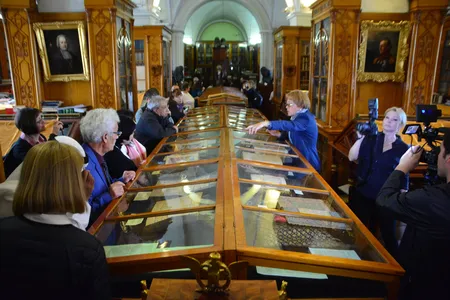
What kind of congress will the Cultural Legacy of Uzbekistan in St. Petersburg be
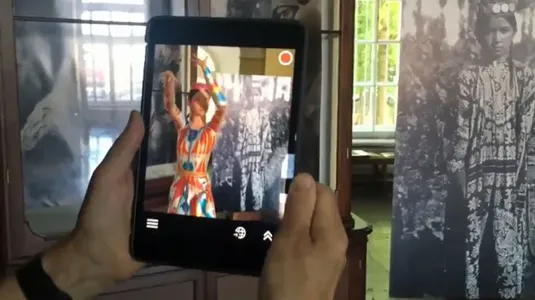
A virtual girl will dance in the St. Petersburg museum in honor of the opening of the congress
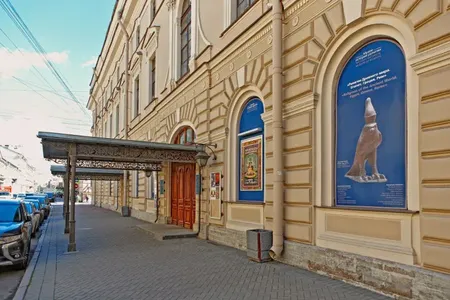
The unique robe of the emir of Bukhara will be seen by the participants of the congress in St. Petersburg
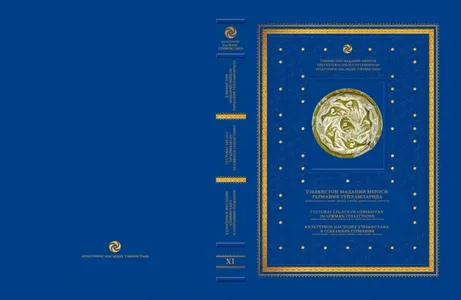
Cultural legacy of Uzbekistan in German collections will be presented at the congress
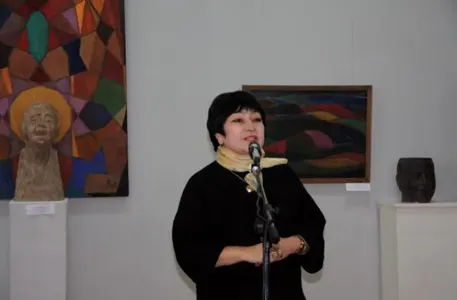
Kamola Akilova about the congress: this is a great event for world culture
Elmira Gul on new albums from the cultural legacy of Uzbekistan series
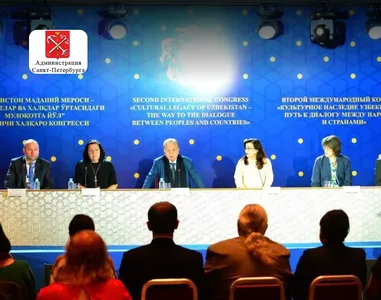
Administration of St. Petersburg: On June 6-8, in St. Petersburg, the 2nd International Congress “The Cultural Legacy of Uzbekistan: the way to dialogue between peoples and countries” will be held

On April 18, 2018, the International Round Table “Cultural Heritage of Uzbekistan in the UK Collections” was held at the Embassy of the Republic of Uzbekistan in London.
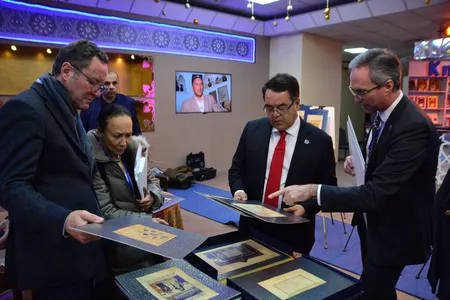
Navoi's lifetime manuscripts stored abroad can be seen in Uzbekistan
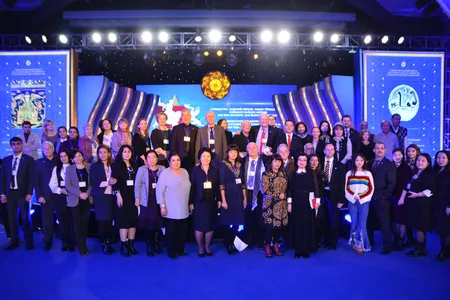
The project "Cultural Legacy of Uzbekistan" will present a Roadmap
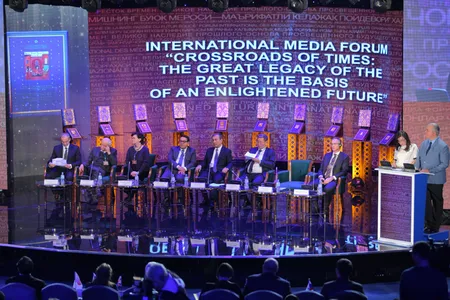
A forum on the great heritage of the past is being held in Tashkent
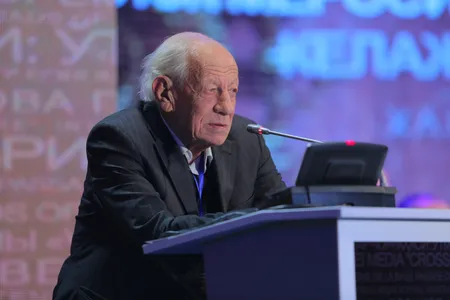
Rtveladze: the whole world should know about the cultural legacy of Uzbekistan
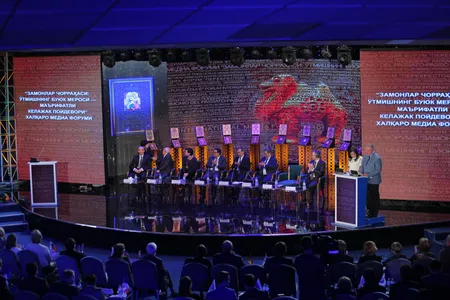
Tashkent will host the forum "Crossroads of Times: the great legacy of the past - the basis of an enlightened future"
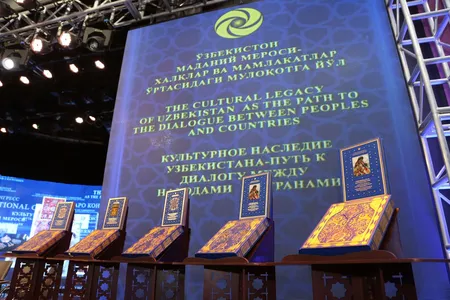
Russian libraries and museums will receive a catalog of Uzbekistan's cultural legacy
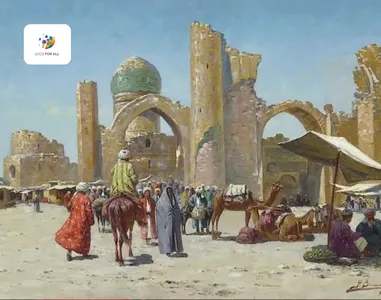
SDG'sForAll: Uzbekistan Shows the Way for Dealing with Cultural Legacy
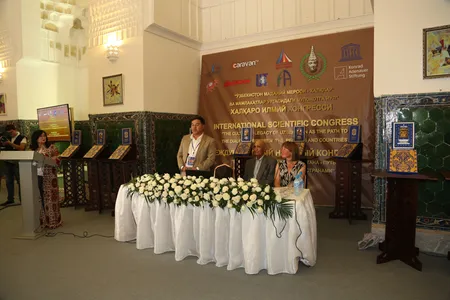
"Cultural Legacy of Uzbekistan" gathered world scientists in Tashkent and Samarkand

Vesti.ru: The Cultural Legacy of Uzbekistan gathered the scholars of the world in Tashkent and Samarkand
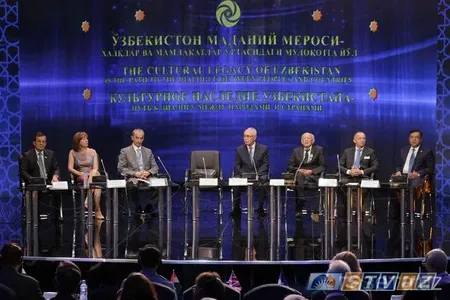
The project "Cultural Legacy of Uzbekistan in world collections" was presented in Tashkent
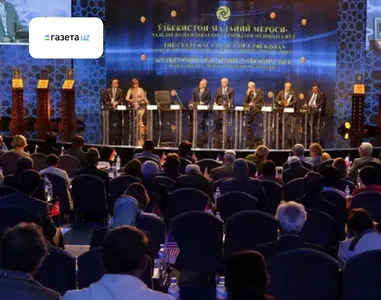
Gazeta.uz: The Cultural Legacy of Uzbekistan in the World Collections Project is represented in the capital