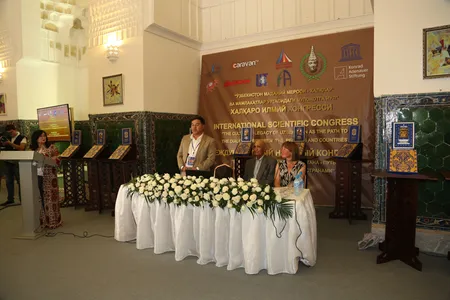
Презентация книги-альбома Всемирного общества «Коллекция государственного музея искусств Узбекистана» в Государственном музее искусств по случаю 100-летнего юбилея
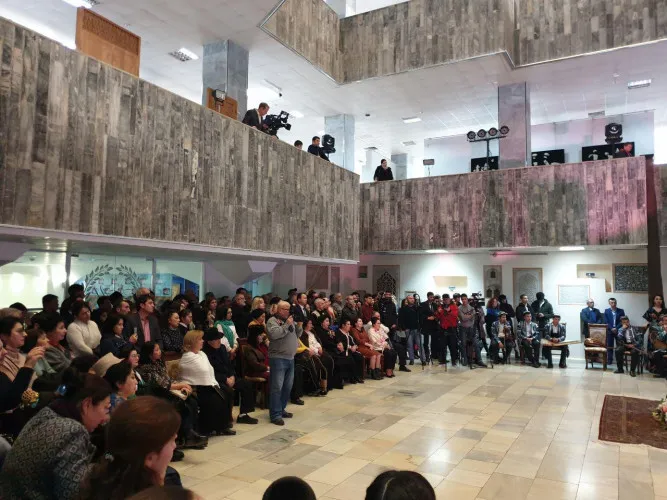
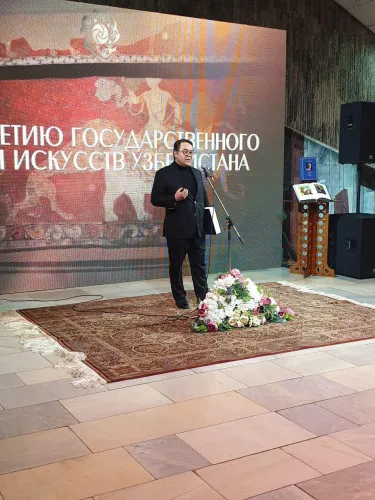
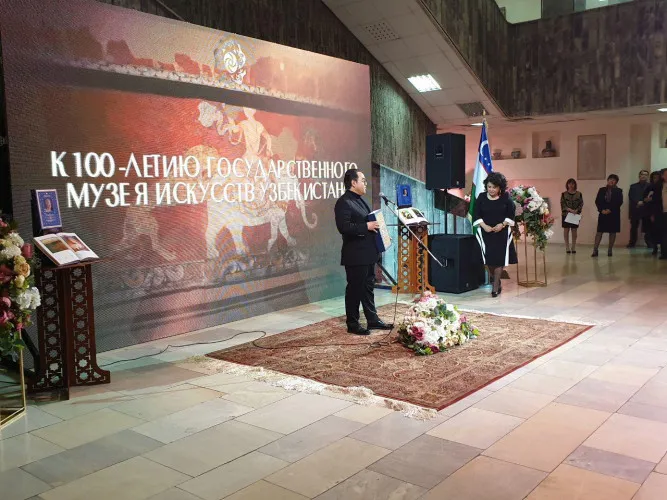
08 февраля 2019 года Государственный музей искусств отметил 100-летний юбилей. Важным событием юбилейных мероприятий стала презентация книги-альбома «Коллекция государственного музея искусств Узбекистана», изданного в рамках проекта «Культурное наследие Узбекистана в собраниях мира», а также презентация ролика и документального фильма проекта, специально подготовленных к юбилею Музея.
Книгу-альбом презентовал автор проекта "Культурное наследие Узбекистана в собраниях мира" Фирдавс Абдухаликов.
Государственный музей искусств празднует 100-летний юбилей, в честь которого представил выставку «Таинственный авангард».
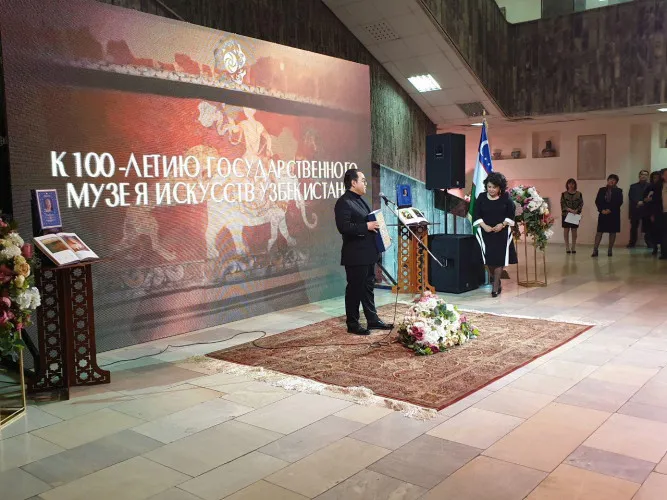
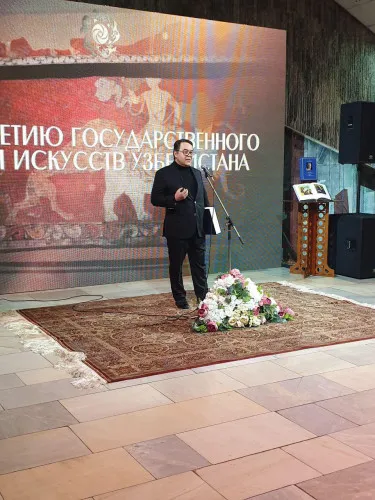
Государственный Музей искусств Узбекистана – один из первых художественных музеев Средней Азии, открытие которого состоялось 100 лет назад. За годы своего существования он стал одним из ведущих культурно-просветительских и научных центров страны.
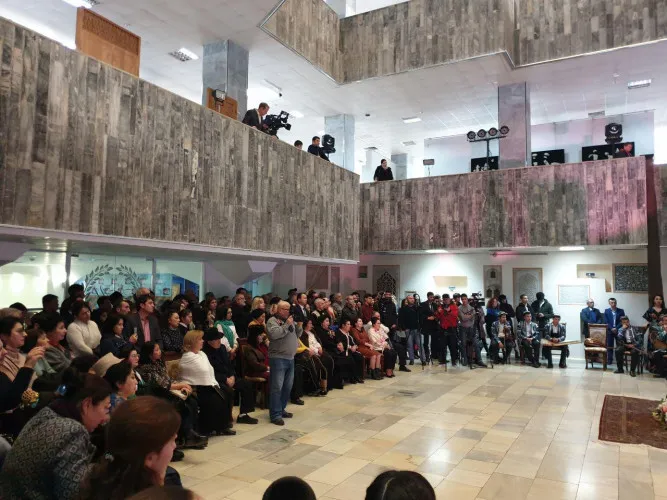
В 1974 г. в жизни Музея произошло историческое событие. В самом центре Ташкента для него было построено новое здание, выполненное в современном стиле в виде застекленного со всех сторон куба. Для размещения фондовых хранилищ и машинной части были предназначены подвальные помещения. Цокольный этаж заняли лекционный зал, фойе с гардеробом, художественный салон. Из фойе зрители могут попасть во внутренний дворик с верхним светом, где были размещены образцы архитектурного декора Узбекистана. Отсюда по мраморным ступеням посетители и сегодня могут подняться на второй, третий и четвертый этажи, где расположены 56 залов с основными экспозициями.
Торжественное открытие Музея в новом здании состоялось 30 апреля 1974 г. По сей день Музей продолжает работу в этом здании. Посетители могут ознакомиться с прекрасными произведениями древности, декоративно-прикладным искусством разных стран, работами русских и западноевропейских художников. Работы мастеров кисти Узбекистана раскрывают историю становления и развития изобразительного искусства республики.
Своеобразием отличается коллекция авангардного искусства, в которой представлены уникальные работы признанных российских и узбекских художников-авангардистов. Практически во всем своем разнообразии и полностью они никогда не экспонировались. Выставка, посвященная 100-летнему юбилею музея под названием «Таинственный авангард», открылась впервые.
Произведения русского авангарда из коллекции ГМИ позволяют сделать вывод о том, что он был явлением не только уникальным, но и масштабным, многосоставным, разностилевым в художественном отношении. Как известно, на сложение русского авангарда оказали воздействие французский кубизм и итальянский футуризм. Русский авангард словно подхватил новейшие европейские течения, но не остановился на них, он развил их дальше и глубже.
В коллекции ГМИ представлены работы таких русских художников-авангардистов как Р.Фальк, П. Кандинский, А. Экстер, А. Осмеркин, К. Малевич, А. Лентулов, Л.Попова и др.
Уникальное явление представляет и туркестанский авангард, являющийся важной частью историко-культурного наследия Узбекистана. В коллекции ГМИ представлены живописные и графические работы таких художников как А. Волков, А. Николаев (Усто-Мумин), У. Тансыкбаев, Н. Карахан, В. Уфимцев,О. Татевосян. Узбекистан стал для художников авангардного плана не просто этнографической картинкой, а источником авангардного мировосприятия, отмечают в пресс-службе музея.
В экспозиции представлены более 120 картин русского и туркестанского авангарда.
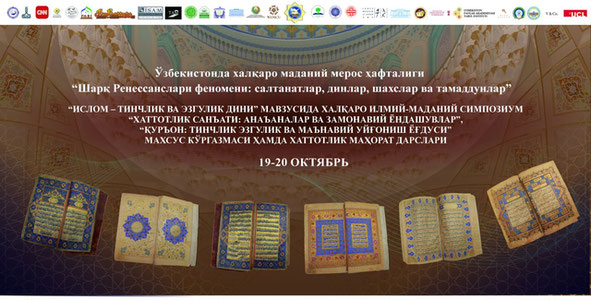
INNOVATIVE APPROACHES TO THE SPIRITUAL HERITAGE OF ISLAM: QURAN DAY WITHIN THE CULTURAL HERITAGE WEEK
On October 19, as part of the International Cultural Heritage Week of Uzbekistan, "The Phenomenon of Eastern Renaissances: States, Religions, Personalities, and Civilizations," an international scientific and cultural symposium titled "Islam — the Religion of Peace and Kindness" will be held in the conference hall of the World Society for the Study, Preservation, and Popularization of the Cultural Heritage of Uzbekistan. Additionally, projects such as "Medieval Qurans of Uzbekistan" and "The Innovative Museum of Imam Al-Bukhari" will be presented.
THE FIRST DAY OF THE CULTURAL HERITAGE WEEK: GREETINGS AND DISCUSSIONS
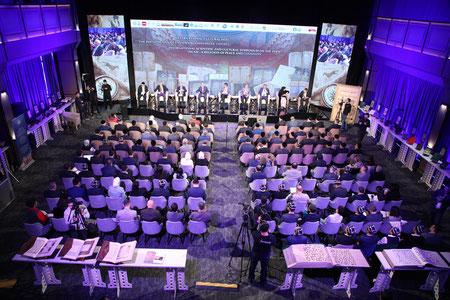
On October 18, the opening ceremony of the International Cultural Heritage Week took place in the conference hall of the World Society for the Study, Preservation, and Popularization of the Cultural Heritage of Uzbekistan (WOSCU) in Tashkent. The event, titled “The Phenomenon of the Eastern Renaissance: States, Religions, and Civilizations,” brought together over 250 scholars, experts, and representatives of cultural institutions, as well as media. Among them were more than 20 renowned international specialists.
The Opening of the Cultural Heritage Week in Tashkent: A New Impetus for Global Scientific Dialogue
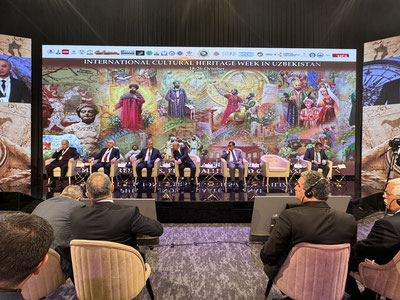
On October 18, the opening ceremony of the International Cultural Heritage Week in Tashkent took place in the conference hall of the World Society for the Study, Preservation, and Promotion of the Cultural Heritage of Uzbekistan (WOSCU). The event, titled "The Phenomenon of the Eastern Renaissance: States, Religions, and Civilizations," gathered leading scholars, experts, and representatives of cultural institutions, with over 100 international participants from 20 countries.
Happiness in Carpets
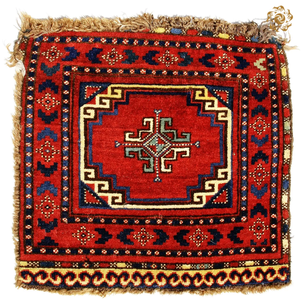
Pileless carpets, such as gadjari, ok-enli, and kiz-gilam, represent a unique art form that reflects the rich cultural tradition of Uzbekistan. The craftswomen who create these carpets use ancient techniques and symbolism, making each piece not only beautiful but also deeply meaningful. What kind of meaning? We’ll explain here:
Opening ceremony of the Cultural Legacy Week in Tashkent: "The Phenomenon of Oriental Renaissances: States, Religions, Personalities and Civilizations".
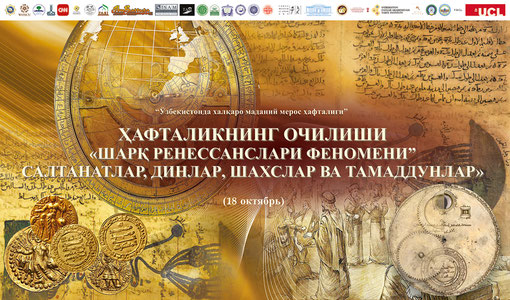
On October 18, the opening ceremony of the Cultural Legacy Week "The Phenomenon of Oriental Renaissances: States, Religions and Civilizations" will be held in the Conference Hall of the World Society for the Study, Preservation and Popularization of the Cultural Legacy of Uzbekistan (WOSCU).
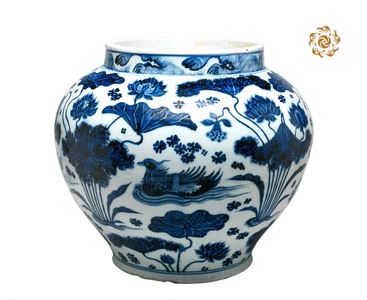
"Timurid ceramics as part of the art of Chinese porcelain"
Timurid ceramics and Chinese blue-and-white porcelain represent significant elements of the cultural exchange that occurred in Central Asia during the 15th and 16th centuries. Let's explore how it all began:
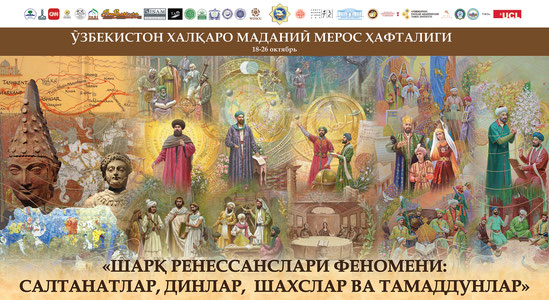
Tashkent is preparing to host the international Cultural Legacy Week "The Phenomenon of the Oriental Renaissance: States, Religions, Personalities and Civilizations".
From October 18 to 27, 2025, the capital of Uzbekistan will become the center of international cultural dialogue. Tashkent will host the Cultural Legacy Week "The Phenomenon of the Oriental Renaissance: States, Religions, Personalities and Civilizations", which will include conferences, seminars, forums, exhibitions and presentations. More than 100 foreign scholars and experts, including heads of international cultural organizations, heads of foreign museums and libraries are expected to participate. CNN and Euronews will provide information support.
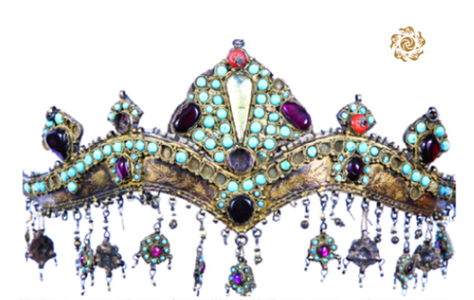
"Golden Eyebrows" of the Fergana Valley
Women's forehead ornaments of the Fergana Valley and Tashkent are a vivid example of the traditional art and culture of this region. However, the tillya-kosh, or "golden eyebrows," is a special detail:
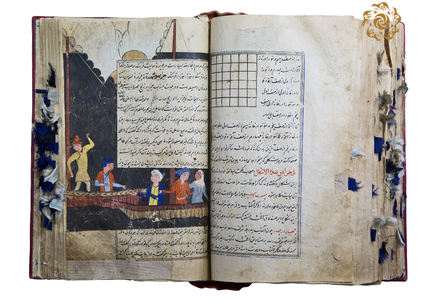
Charmduzy are masters of all trades from Samarkand and Bukhara
The Charmduzy, leather craftsmen of Central Asia, were renowned for their artistry and skill, creating unique items in front of their clients. In the bustling bazaars of Samarkand and Bukhara, they transformed ordinary pieces of leather into true works of art. Here’s how they did it:
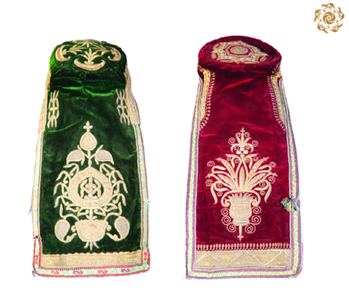
How the headdress was used to determine the status of women in Bukhara?
The telpak and kaltapushak are not only beautiful but also symbolic elements of women's wardrobe in the late 19th century. These headpieces can be used to determine the wealth of urban women in Bukhara. Here’s how:
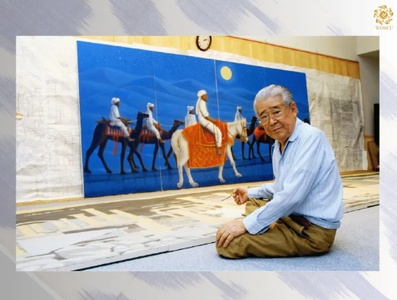
How Uzbekistan Changed the Life of a Japanese Artist Who Survived the Atomic Bombing
Renowned Japanese artist Hirayama Ikuo survived the atomic bombing in 1945. In 1959, he learns that he is terminally ill with leukemia. At that time, he creates a painting dedicated to the origins of Buddhist teachings, titled 'The Origin of Buddhism,' inspired by the journey of the Chinese monk Xuanzang along the Silk Road in the 7th century. The artist believes that this work might be the last of his life... What happened next? Read here:
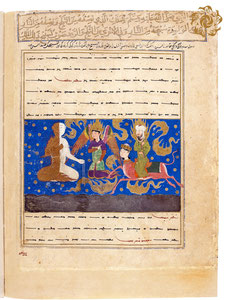
"Mirajnama" at the Court of Louis XIV
The National Library of France has a rich history, beginning with its establishment as the royal library. An important milestone in its development was the accumulation of manuscripts from Central Asia, which contributed to the expansion of knowledge about Eastern culture and literature. One of the key acquisitions was the famous manuscript "Mirajnama," which arrived in Paris in the 17th century. Read here about how this ancient manuscript came into the hands of the Musketeers’ ruler, Louis XIV.

Did Prokudin-Gorsky work as a tax collector in Turkestan?
Pioneer of color photography in the Russian Empire, author of hundreds of photographs of Turkestan and the famous photograph of the Emir of Bukhara, Prokudin-Gorsky made a significant contribution to the cultural heritage of both Uzbekistan and the world. His works are stored in the Library of Congress in the USA, and exhibitions are held worldwide. But was photography his primary occupation, or were the photographs merely a hobby while he earned his living as a tax collector in Turkestan, a role often despised in the regions of the Russian Empire? Let's explore this here.
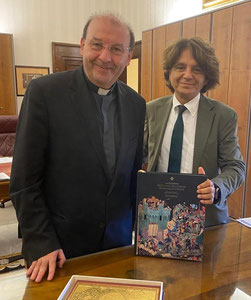
The Vatican Library is planning to engage WOSCU in the study of its archives
The Prefect (General Director) of the Vatican Apostolic Library, Mauro Mantovani, has not ruled out the possibility of close collaboration with WOSCU and the involvement of orientalists from the World Society in studying the archives of one of the unique libraries in the world.
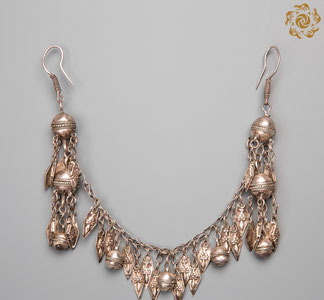
Karakalpak jewelry in the collection of the Russian Ethnographic Museum
Karakalpak jewelry, presented in the Russian Ethnographic Museum, reflects the rich cultural tradition and artistic mastery of this people. Among them, various types of women's pectoral jewelry, earrings, rings and bracelets stand out, each of which carries unique symbolism and meaning.
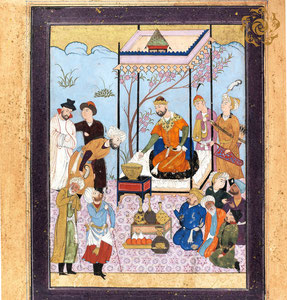
Alexander the Great and the Riddle of the Cup of Jamshid
The miniature "Seven Sages," dated around 1590, serves as an intriguing example of the interaction between various cultures and traditions in the art of that time. It likely depicts Iskandar (Alexander the Great) surrounded by seven philosophers, who may symbolize the wisdom and knowledge of different peoples studying the Cup of Jamshid.
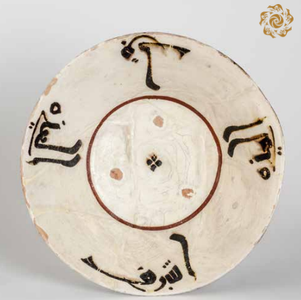
Hadiths and wishes on ceramic dishes
Glazed ceramics decor of the 10th-12th centuries. Excellently reflect the significant changes that came to the culet and art of the Central Asian region as a result of the spread of Islam. Completely new characteristics of Islamic art.
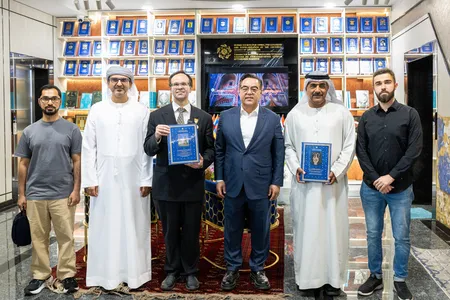
Visit of the delegation of members of the World Society for the Study, Preservation and Popularization of the Cultural Legacy of Uzbekistan from the UAE
Euronews: Uzbekistan embraces heritage to secure cultural future
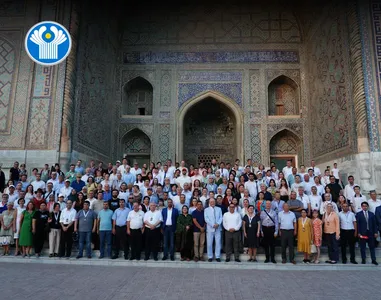
CIS Executive Committee: The VI International Congress "Cultural Heritage of Uzbekistan - the Foundation of a New Renaissance" ended in Samarkand
Portugal.com: Uzbekistan gathers in national heritage books

Firdavs Abdukhalikov: "The reforms of the New Uzbekistan yield bright results"
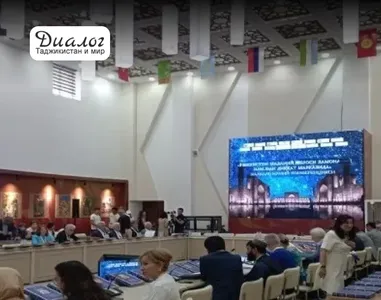
Dialog.Tj: Conference "Cultural heritage of Uzbekistan in the focus of modern science" opened in Samarkand
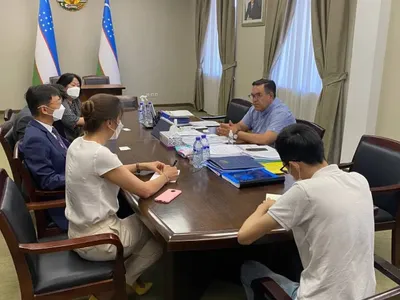
Work starts on a book-album dedicated to the rarities of Uzbekistan in the collections of Korea
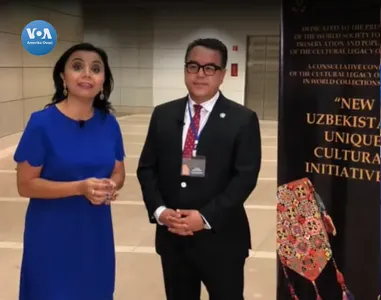
Voice of America: Firdavs Abdukhalikov: cultural heritage, Uzbek cinema and media
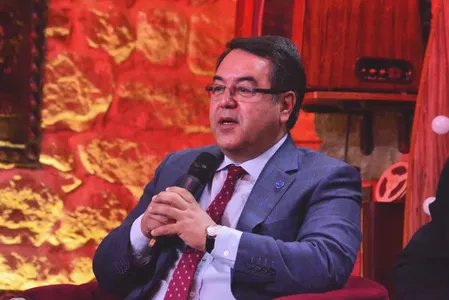
Firdavs Abdukhalikov, "We must educate our youth"
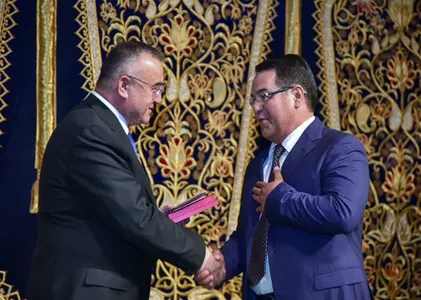
The author of the project "Cultural Legacy of Uzbekistan in World Collections" was awarded the "Mekhnat Shukhrati" Order
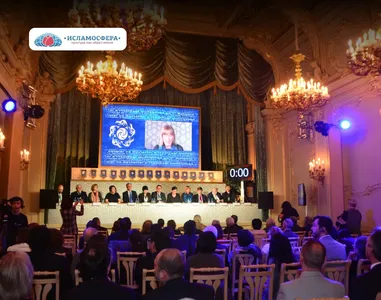
Islamosphere: The Islamic heritage of Uzbekistan is a cultural brand of the country St. Petersburg hosted the 2nd International Congress "The Cultural Legacy of Uzbekistan: the way to dialogue between peoples and countries."
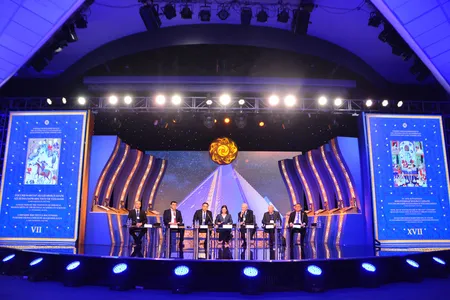
On March 16, 2018, an international media forum dedicated to the implementation of the project "Cultural Legacy of Uzbekistan in world collections" was held in Tashkent
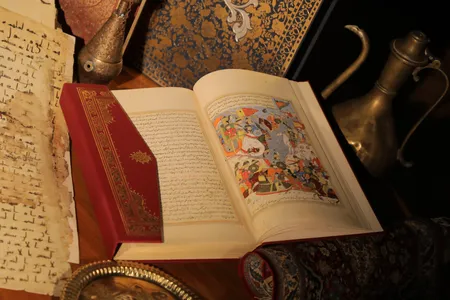
The Russian Academy of Sciences will hand over copies of ancient manuscripts to Uzbekistan
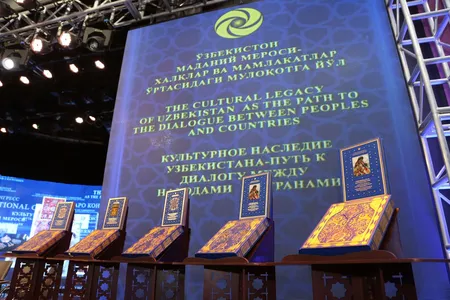
Russian libraries and museums will receive a catalog of Uzbekistan's cultural legacy