
News WOSCU
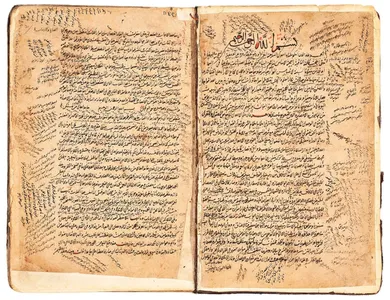
Rare albums from the Friedrich von Diez Collection
The Album collection of Heinrich Friedrich von Diez (1751 – 1817) preserved in the Berlin collection are of special value for understanding the development of book art in Central Asia during the Mongol and Temurid periods.
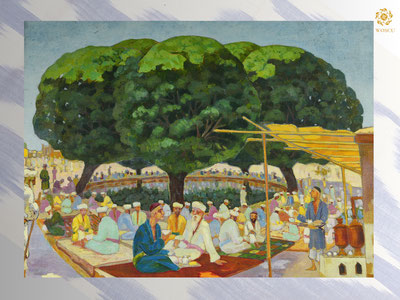
Arakchin, telpak and other types of men’s headgear in Samarkand
Men’s headwear were caps of various shapes of fabric, fur and turban.
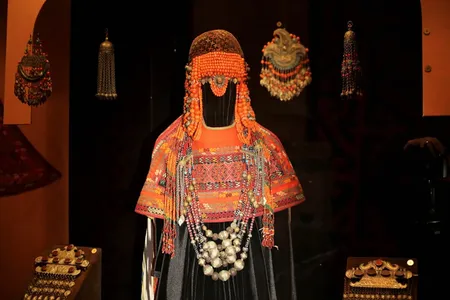
The Collection of the State Museum of the Oriental Art
The works of jewelry art of Uzbekistan are presented at the Museum of Oriental Art by more than 200 storage units.
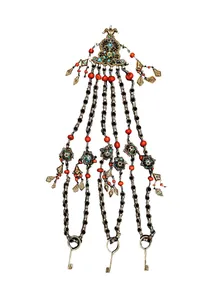
Unusual ornaments of the 19th century
The founding of an independent Department “West Asia” in the Museum für Völkerkunde Berlin in 1970 was the start of a systematic collecting activity, even from the regions of Central Asia.
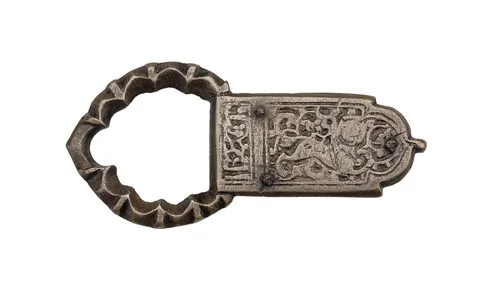
Why did Turkic soldiers wear two belts?
To a certain extent, the details of the belt set mentioned in another section of Hermitage book-album can be referred as adornments.
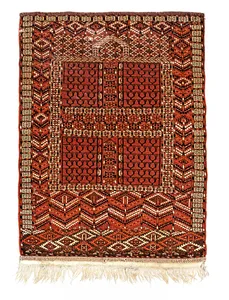
Nomadic Handicrafts from the Rickmers Collection
Due to Willy Rickmer Rickmers, the Ethnological Museum of Berlin has significantly expanded its collection of objects related to the Emirate of Bukhara and the Governor-General of Turkestan.
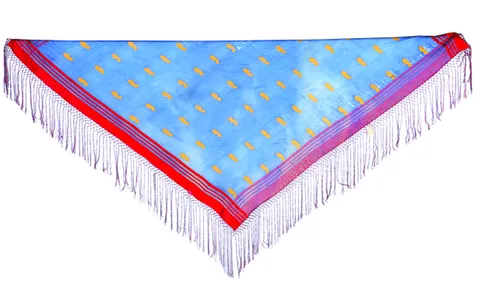
At what age did Tashkent and Fergana women start wearing a headscarf?
Various scarves served as the primary type of Tashkent and the Fergana Valley women’s headwear.
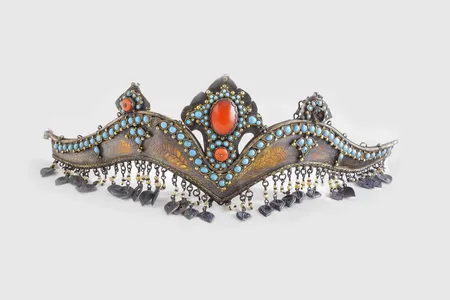
How is the Bukhara boloabra different?
Traditional jewelers (Zargars) sought to achieve an exquisite touch in jewelry without using unnecessarily expensive materials.
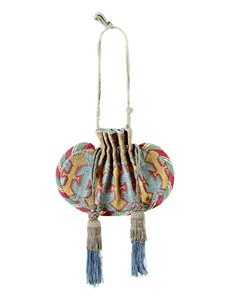
Ikat Weaving from the Rickmers Collection
The Royal Museum of Ethnology owed its largest accession of objects from the Emirate of Bukhara and the Governor-Generalship of Turkestan to Willi Rickmer Rickmers.
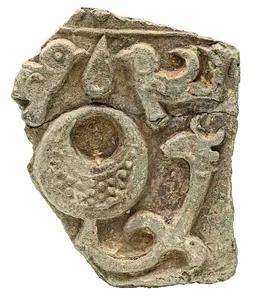
What does Mavarannakhr mean?
The entry of Central Asia in the 8th century into the Arab Caliphate led to a change in its political fate, its inclusion in a single area of Islamic civilization.
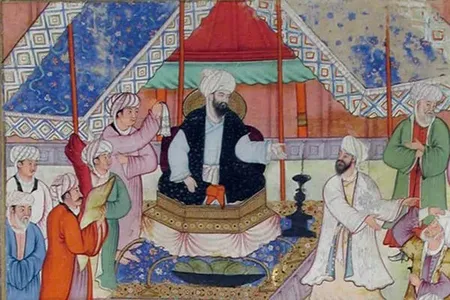
Did you know that in the first centuries of Islam there existed the practice of offering singers and musicians as gifts and trophies for the caliphs and their high officials?
The conquest of Central Asia (Mavarannahr) by the Arabs, its incorporation into the caliphate and the assertion of Islam as the unified religion here by the start of the 9th century, became a turning point in the development of culture in general, and artistic and musical culture in particular.
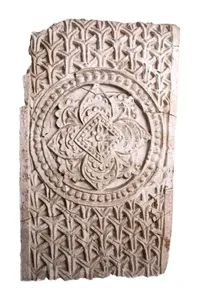
The Royal Gardens of Sogdia
Have you heard about the Royal Gardens of Sogdia? Studying the ancient ganch of Varakhsha, we also get an idea of the Royal Gardens.
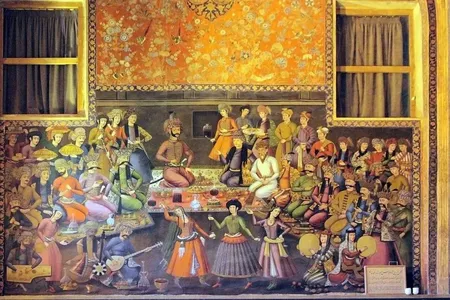
Did you know that Nowruz was celebrated in the summer in the 7th century?
Gift giving during the Nowruz festival is a very ancient Iranian custom.
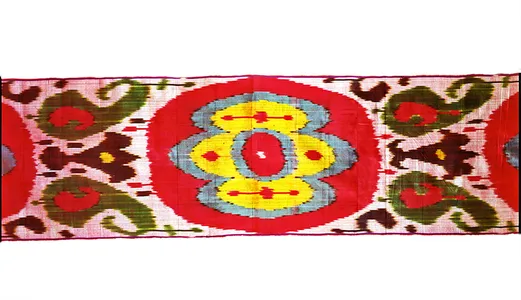
Embroidery from the Collection of the famous German climber Rickmers
There was a shift also in the importance of the art of silk embroidery, analogous to what happened with ceramics over the last 120 years.
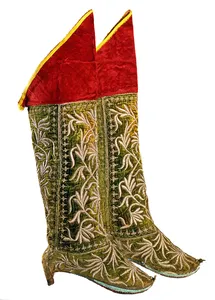
Gold embroidery craft of Bukhara
Together with silk embroidery, gold embroidery on velvet was an important element of the clothing and accessories belonging to members of the Bukharan court and the upper class.
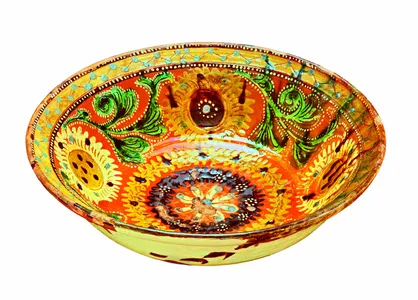
Collection of the Emirate of Bukhara in the Berlin Ethnological Museum
Tsarist Russia established the major collections from the Emirate of Bukhara and the Governor-Generalship of Turkestan in 1867.
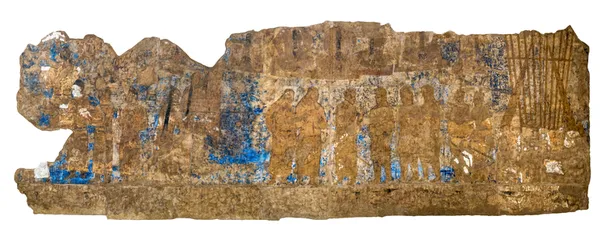
When pictures speak - history in the paintings of Afrasiab
Some interesting information can be found in the Indian written sources.
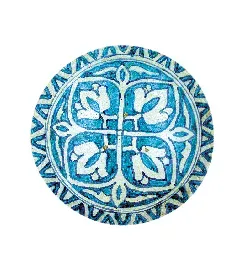
What exhibitions of Uzbek ceramics were held in Poland?
The collection of Uzbek and Tajik ceramics was presented in temporary shows in the course of the last three decades.
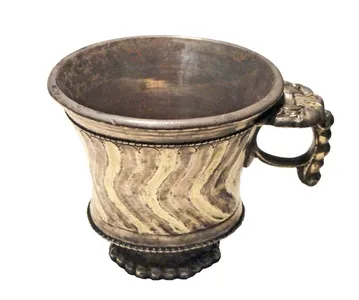
Sogdian vessels were highly appreciated in China
The Sogdian and Central Asian silver vessels in general were spread along caravan routes in different directions.
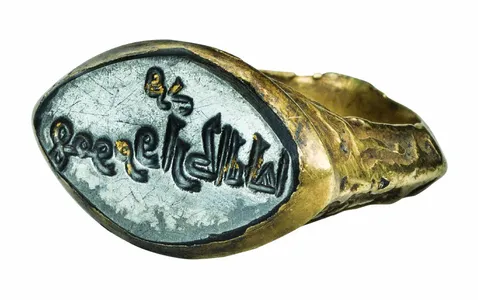
Collection of pendants in the Hermitage Museum
The Hermitage has a relatively small collection of bronze and stone adornments, most widely made in the Karakhanid period for common people, citizens and villagers.
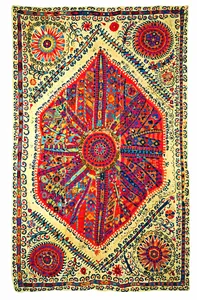
Artifacts from Uzbekistan in the Berlin Museum of Islamic Art
The Museum of Islamic Art was founded in 1904. The collection was focused on arts, handicrafts, and archaeological artifacts from nearly every part of the Islamic world.
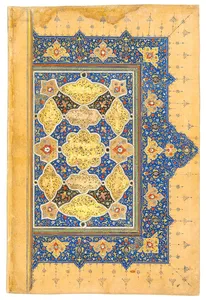
Was the Louvre muraqqa‘ a part of the Fitzwiliam Akbar album?
The structure of the Cambridge album was most likely organised according to the themes of bazm-u razm (‘feasting and fighting’) – to show Akbar’s fitness for his royal career and excellent skills in holding court receptions, entertaining, fighting, hunting, studying and showing affection.
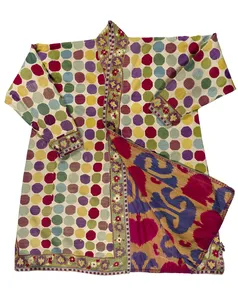
Do you know the origin of the Iraqi stitch name?
One more piece in the collection, the male overcoat, chapan is of special interest.
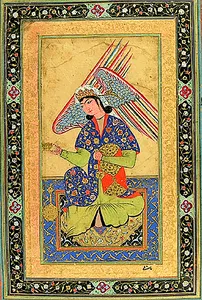
A pair of angels portrait
In European art such a tradition as allegorical portraits of rulers and aristocrats became popular from the late 15th century, when the dedicatees were portrayed as Biblical saints, mythological gods and goddesses, or semi-historical heroes.
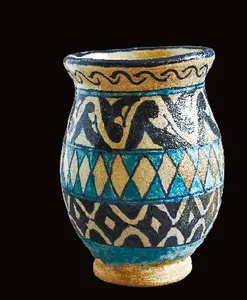
Who formed the collection of Uzbek ceramics in the Museum of Warsaw?
The funds of the Asia and Pacific Museum in Warsaw contain traditional Central Asian ceramics, most of which are Uzbek and Tajik artifacts of the second half of the 20th century.
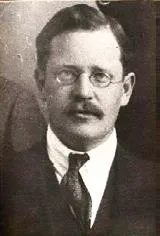
Founder of the Central Asian bibliography
The Fundation for the maintenance of manuscripts, unique and especially valuable publications of the National Library of Uzbekistan named after Alisher Navoi stores priceless works and manuscripts related to our history and culture, in particular, the first newspaper "Turkestanskie Vedomosti", "Turkestan Regional Newspaper" founded in 1870 in the Turkestan areas. We use such publications and do not pay attention to when and by whom this fund was created. So who is the founder of this rare fundation?
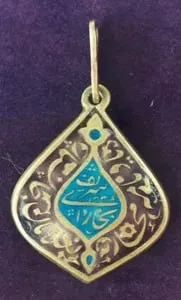
The first orders and medals of the 19th century
In the Bukhara Emirate, under the rulers of the Mangyt dynasty, were minted gold coins of "tillya", silver "tanga" and copper "fulus".
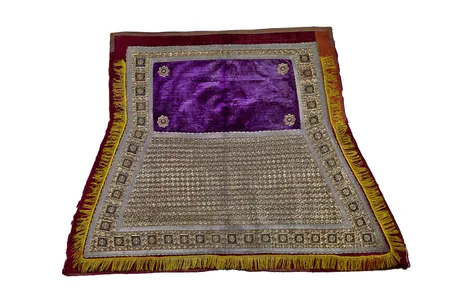
Do you know about the oldest carpets stored in the Samarkand Museum?
The earliest samples of carpets preserved in the museum date back to the middle of the 19th century. Uzbek carpet weaving is represented by long pile, short pile and rug products.
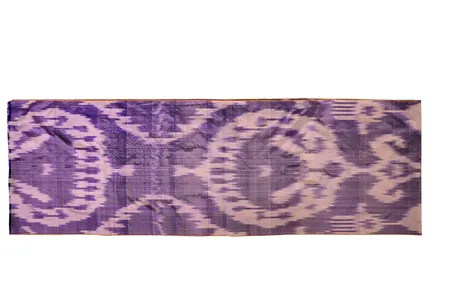
Adras, atlas and bekasabs of the 19th-20th centuries
Самаркандский государственным музей-заповедник обладает великолепной коллекцией традиционной узбекской и таджикской вышивки XIX – начала ХХ вв.
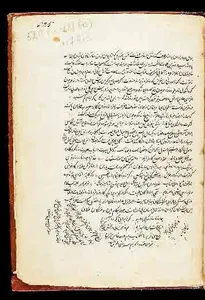
What legacy did Abdurazzok Samarkandi leave for us?
Researchers of the Second Renaissance period and after turn to the valuable historical correspondence, testimonies and writings of Abdurazzak Samarkandi.
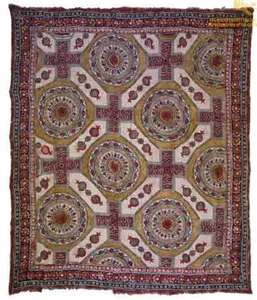
Hand embroidery by Uzbek craftswomen of the 19th century
In the second half of the 19 century in Uzbekistan, multifaceted decorative tables of hon-tahta and stools, designed for the tastes of the European population in Central Asian cities, are becoming widespread.
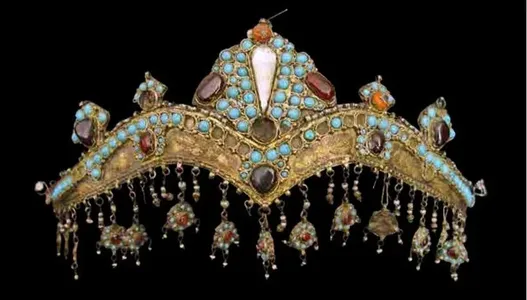
What techniques did Uzbek jewelers use in metal processing?
By the end of the 19th - beginning of the 20th centuries, images of architectural monuments appeared in the coinage of Ferghana, and then Bukhara and Samarkand, and images of fantastic creatures were introduced into the Kokand coinage.
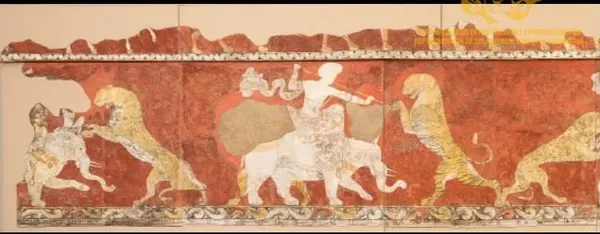
Palace beauties in the old city
In the IV century life in the settlement begins to recover; at the end of the 5th - beginning of the 6th centuries new fortifications are erected, the citadel is rebuilt, the walls of which are formed by closed semi-columns (the so-called corrugations).
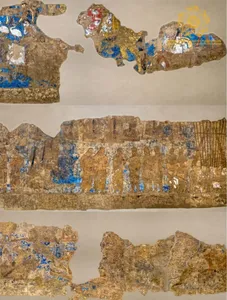
Wall paintings found on Afrasiab hill
In 1965, local authorities decided to build a road in the center of the Afrasiab hill.
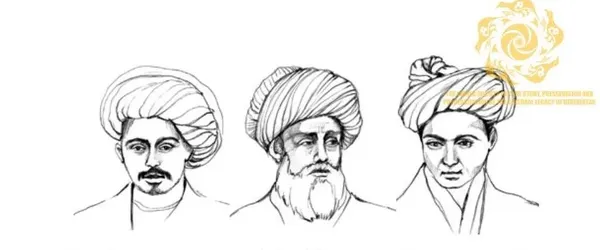
What headwear did the men of Samarkand wear?
Men's headwear consisted of caps of various shapes made of fabric, fur and turbans.
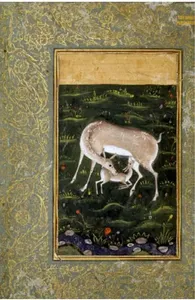
What is the message of the "Persian Gazelle" and "Indian Cow portraits"?
The double animal portrait plays a decisive role in the hypothesis about the purpose of Akbar's album, since this pair, apparently, symbolized the relationship between Akbar, his mother (stepmother) and nurse.