
The decision was made by the Intergovernmental Committee for the Safeguarding of the Intangible Cultural Heritage
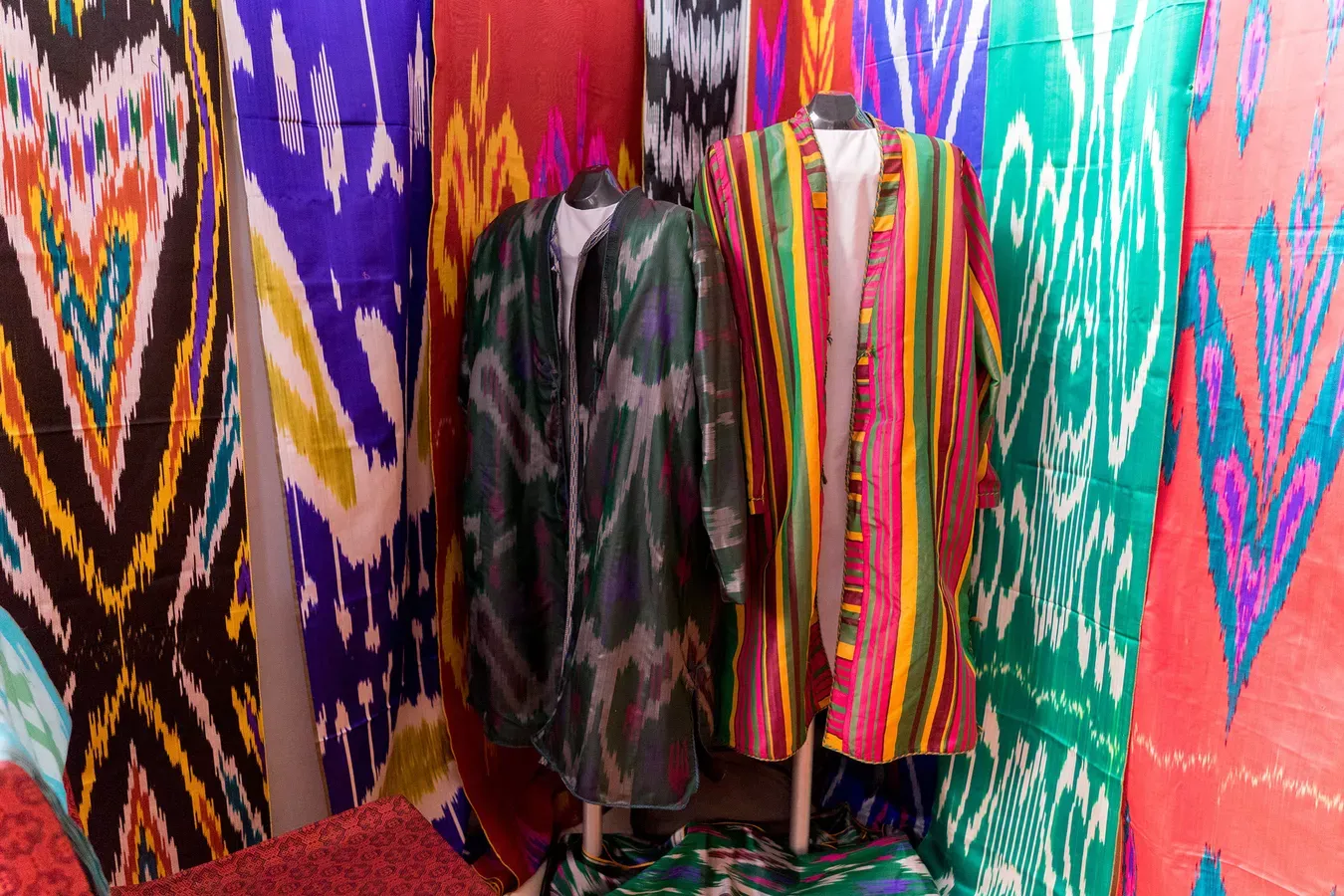
The ancient technology for the production of Uzbek silk fabrics — satin and adras — is included in the Register of Best Practices for the Safeguarding of UNESCO's Intangible Cultural Heritage.
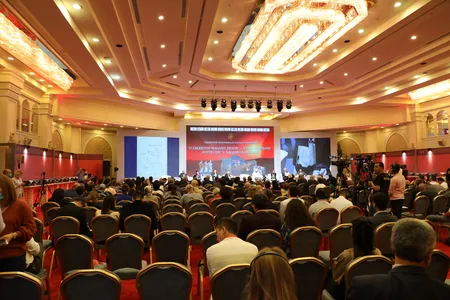
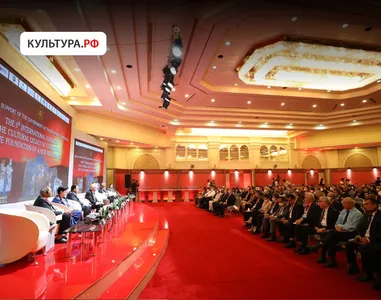
The decision was made by the Intergovernmental Committee for the Safeguarding of the Intangible Cultural Heritage, whose meeting is taking place this week in Jeju.
Margilan, located in the Fergana Valley in Uzbekistan, has since ancient times been a historical center for the manufacture of satin and adras — natural fabrics with a characteristic pattern. In order to revive and preserve the disappearing traditions, the Center for the Development of Crafts was opened in Margilan in 2007.
The center is engaged in the preservation, development and popularization of the manufacture of satin and adras. Its specialists give classes, hold exhibitions and craft fairs for those who want to acquaint themselves with the ancient craft, as well as publish guides on the preservation of the traditional technology.
Earlier, pilaf, the Navruz holiday, as well as the protected areas of Maidantal and Bashkyzylsay of the Chatkal Reserve, which is part of the Ugam-Chatkal State National Nature Park, were included in the UNESCO World Heritage List.
The Uzbek satin recognized as an intangible cultural heritage object (sputniknews.ru)