
The earliest evidence is the petroglyphs of the Neolithic and Bronze Ages (5th – 2 nd millennium BC). Certain items in the petroglyphs resemble archaic instruments, possibly percussion. During that historic period music had practical functions: it accompanied people both working and hunting. They relied on primitive rhythms and tunes combined with monotonous repetitive sentences.
Certain musical forms (and middle-Asian instruments, in particular) were influenced by West Asian and Hellenistic cultures. When the Achaemenid king Cyrus conquered Central Asia in 539 BC, this territory (its southern region) became a part of the Achaemenid Empire for two centuries. This is probably when certain military musical instruments, such as large metal signal horns (karnays) and percussion, began to be used. In his Big Book of Music, al-Farabi wrote that Persian kings used karnays for military purposes.
Starting in the 10th – 11th centuries, Sufi mystic teaching (tasavvuf) originating from Islam, with its expressive musical and poetic forms, begins to develop parallel to the secular tradition. The major Khorasan school of Sufism was formed in the immediate vicinity of Maverannahr. Its ritual practices integrating music, singing and dancing also began its spread throughout Central Asia. With it comes the new specialization of professional Sufi declaiming singers called kawwal, and new types of Sufi “music making”: sama, zikr and raqs. Issues of “listening” are subject to analysis in special works by Sufi sheiks, who were both supporters and adversaries of the usage of music. This process serves as the catalyst for the secular and spiritual Sufi practices and theories interacting and influencing each other.
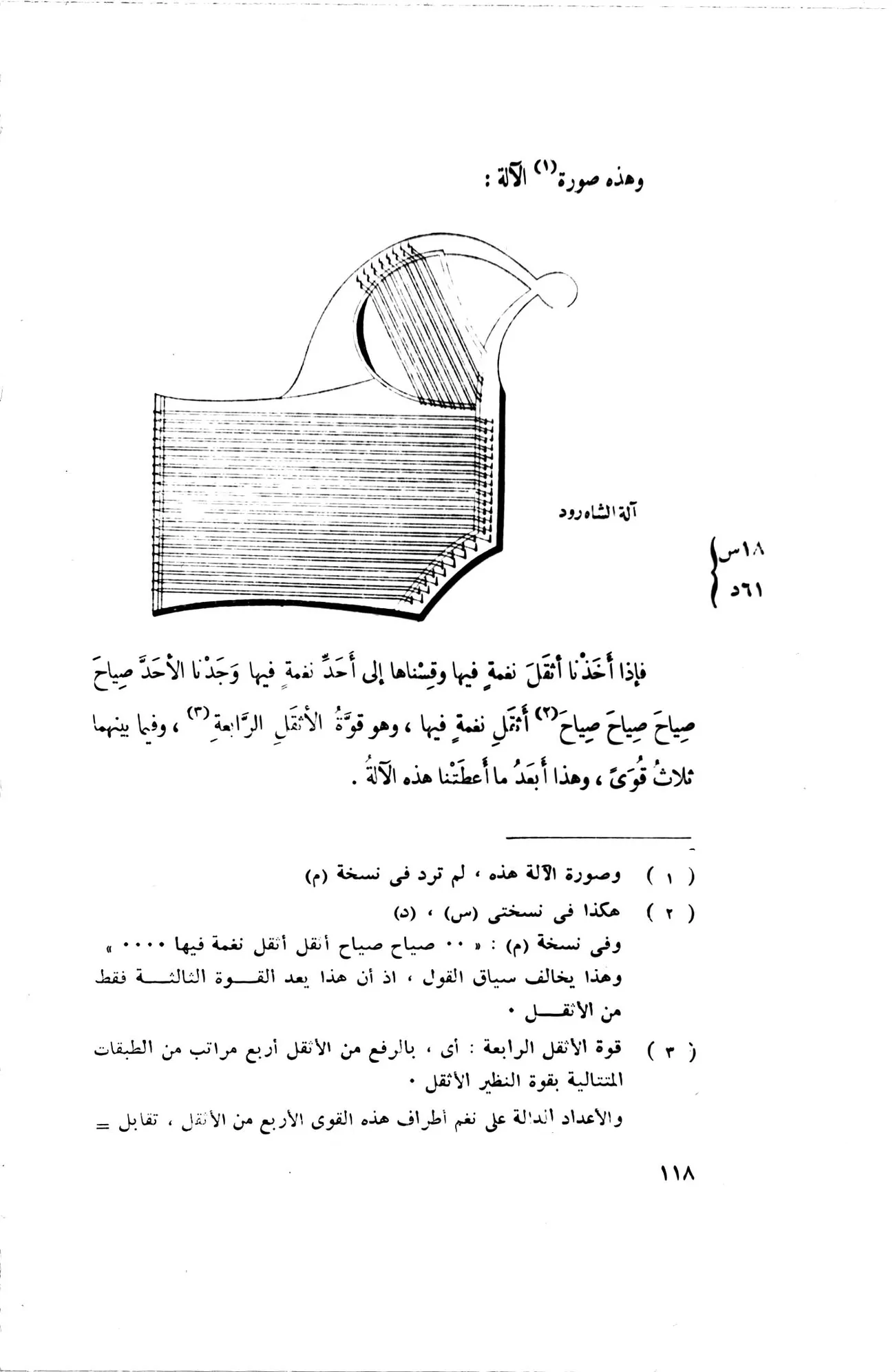
Thus, the rich traditions of instrumental and vocal art of Antiquity and the early Middle Ages were not only preserved, but also found a new developmental boost in the cities of Maverannahr and Khorasan in the 9th – 12th and later 14th – 15th centuries. It is not by chance that the famous musician Hakim Abu Havs ibn Akhvas al-Sugdi was born in Samarkand (the successor to the Sogdian musical tradition). He was the one who in the beginning of the 10th century created the shahrud instrument mentioned by Abu Nasr al-Farabi (in his Big Book on Music) and other musicians and music theoreticians from Central Asia.
You can learn more about the topic in the book-album "The Musical Legacy of Uzbekistan in Collections of the Russian Federation" (Volume VI) from the series "Cultural legacy of Uzbekistan in the world collections".
The general sponsor of the project is the oilfield services company Eriell-Group.