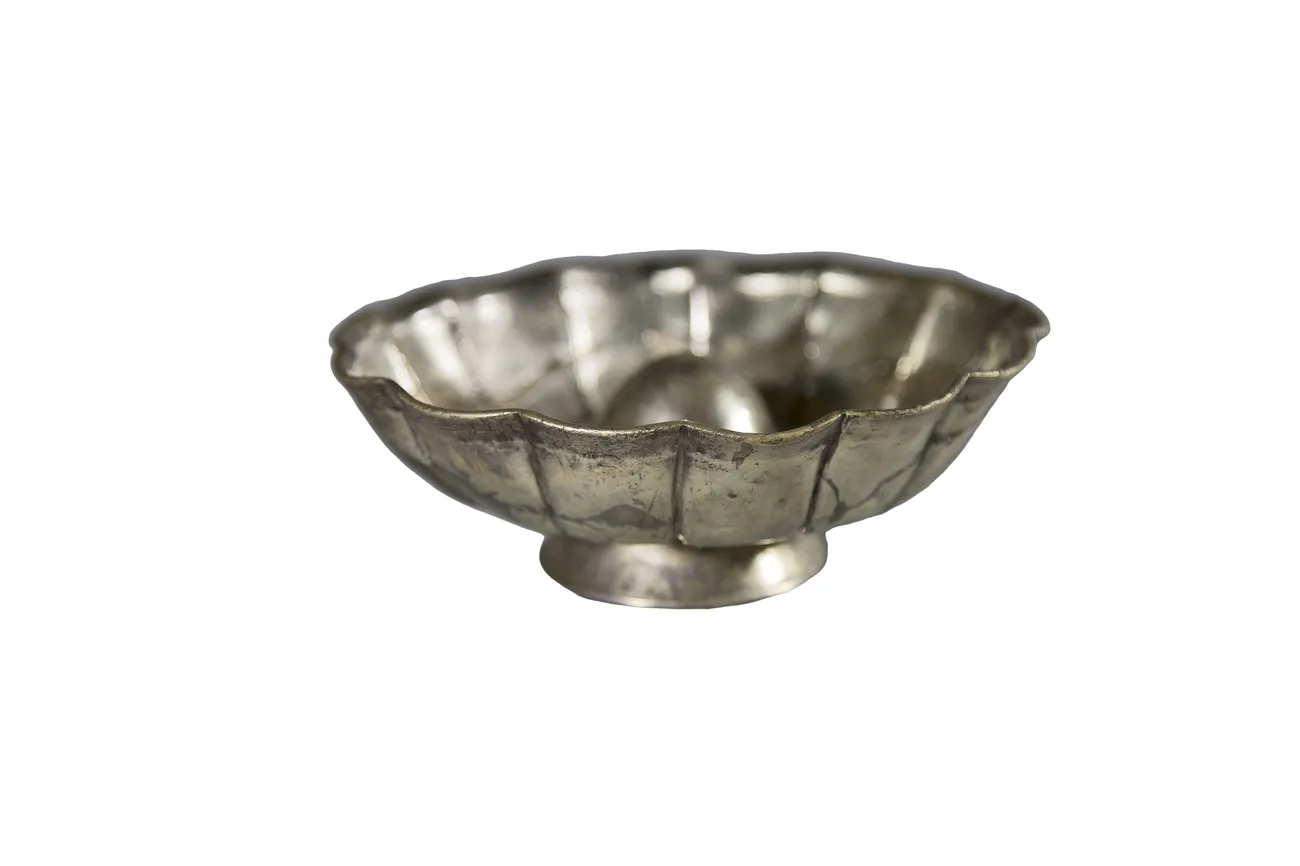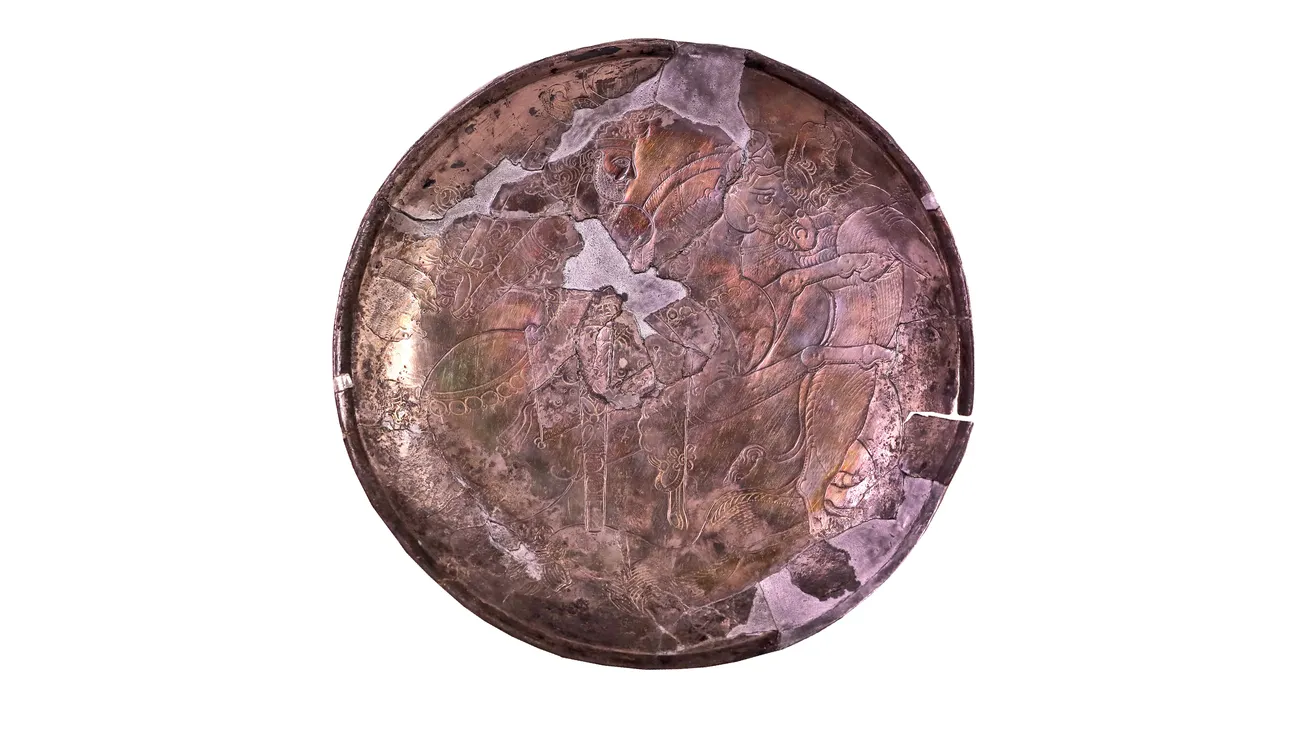
In this art, a unique Turkic-Sogdian combination is striking. The cities of Samarkand (Afrasiab), Bukhara, Penjikent, Bunjikat, Varakhsha, Nakhsheb become centers of cultural life, magnificent palaces and castles (keshki) are built here, decorated with beautiful wall paintings and sculptures, carved wooden and ganch panels. Local craftsmen created elegant vessels and jewelry from gold and silver, gem-seals from various stones, potters produced a variety of pottery, wonderful silk and cotton fabrics were made in weaving workshops.
These Sogdian goods diverged along different directions of the Great Silk Road. Thanks to trade, local traditions of art and crafts interacted with the artistic techniques of the masters of Iran, India, Byzantium, China and the steppe East.
Sogdian art monuments were created in the central region of modern Uzbekistan (Samarkand, Bukhara and Kashkadarya regions) and the northwestern part of Tajikistan (districts of the Sughd region) or the traditions of this region (toreutics) were connected. Artifacts of Sogdian origin have also been discovered by researchers in China, but this kind of enclave of Sogdian culture is the subject of a special study.
You can learn more about the topic in the book-album "Collection of the Samarkand State Museum-Reserve" (Volume XVIII) in the series "Cultural legacy of Uzbekistan in the world collections".
The main sponsor of the project is the oilfield services company Eriell-Group.