
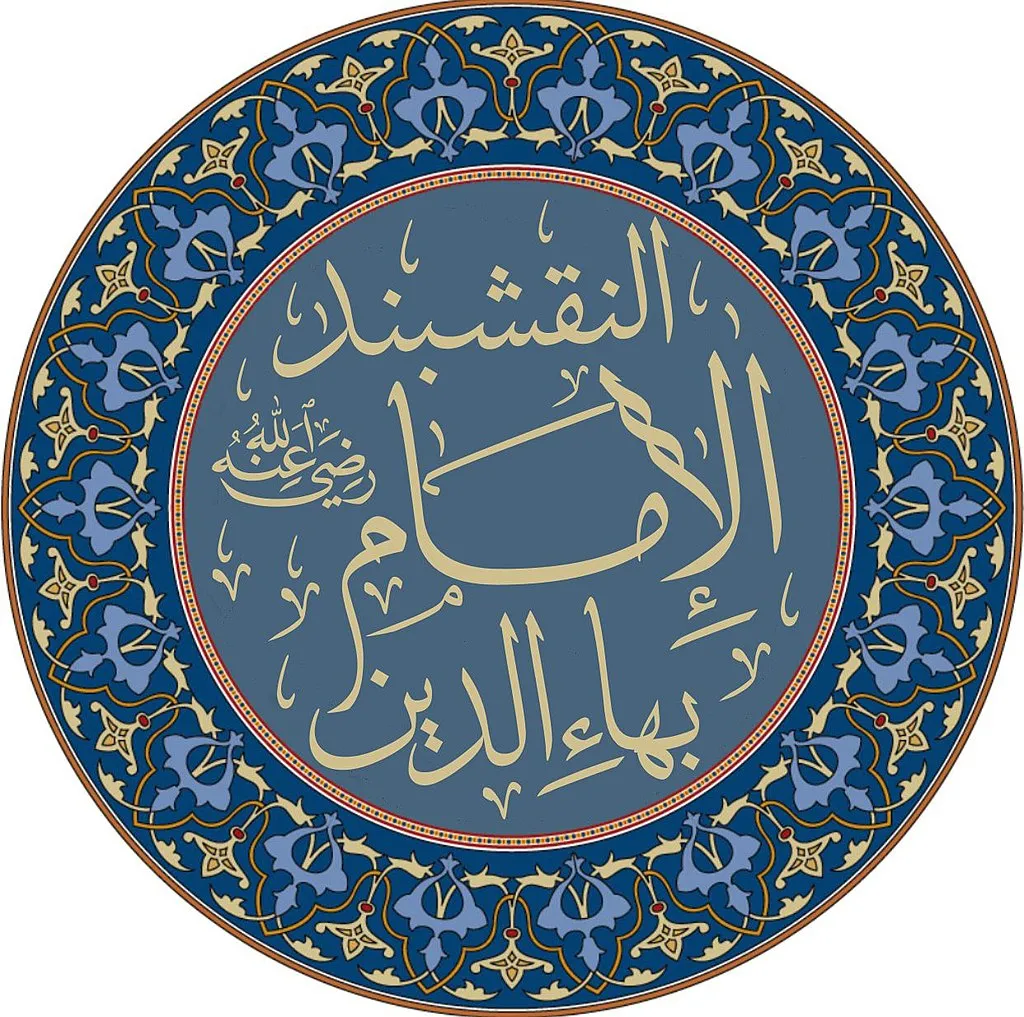
Its founder was Baha al-din Naqshband (Muhammad ibn Burhan al-din al-Bukhari). He was born in 1318 in the village of Kamri Hinduvan near Bukhara in the family of a naqshband artisan who was engaged in applying an ornamental pattern on fabric. Growing up, he continued his father's craft - hence the prefix to his name.
Sufi teaching, called Naqshbandiya, spread widely and was inextricably linked with the spiritual life of the population of Transoxiana, Khorasan and Khorezm until the beginning of the twentieth century. The main requirements of the Naqshbandiyah tariqa are within the framework of orthodox Islam and consist in unswerving adherence to the precepts of Prophet Muhammad (S.A.V.) and his companions.
The teaching of Baha al-din Naqshband is based on the idea of achieving spiritual perfection through work and worship. The words of Baha ad-din "Soul to God, hands to work" became a kind of motto of this tariqa and were popular not only among the upper strata of feudal society, but also in the craft environment. They urged to be content with little, not to be attached to material goods, to strive for education, to turn all their thoughts and deeds to God.
Now, if we return to the question in the title, the representatives of the Naqshbandiya brotherhood did not deny wealth, but believed that it was given to improve the world, since a rich person has more opportunities to do good. Many Sufis were rich, held high positions in the state, owned various kinds of property - lands, waqfs, but they used their wealth for charity purposes for the benefit of society. The distinctive side of Sufi literature, which flourished during this period, was its ethical and edifying component, aimed at educating high moral and ethical standards recommended in life in society.
You can learn more about the topic in the book-album "The legacy of Kamal al-din Behzad in the collections of the world" in the series "The cultural legacy of Uzbekistan in the world collections" (L volume).
The general sponsor of the project is the oilfield service company Eriell-Group.