It is an ancient trade and craft center at the border with a steppe, which functioned since the beginning of the Common Era until the beginning of the high Middle Ages. The settlement occupied an area of approximately 4 hectares. In plan, it was an elevated quadrilateral (200×180 m), with one of its sides forming a high bank of the Syr Darya. The Great Silk Road passed through Munchaktepa leading from Kashgar through the Fergana Valley and Us trushana (Khujand) to Sogdiana, Samarkand and Bukhara, and further to the south west, to Khorasan – Merv and Persia. In the past, the land where Munchaktepa was located belonged to Ustrushana, a region separated from Sogdiana in the 4th century.
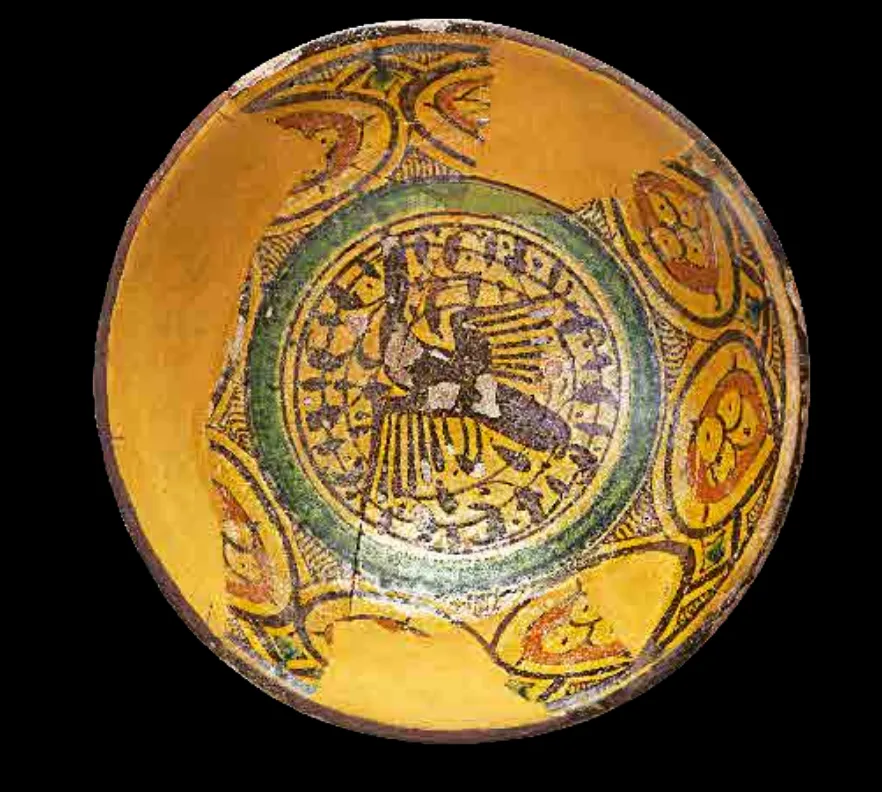
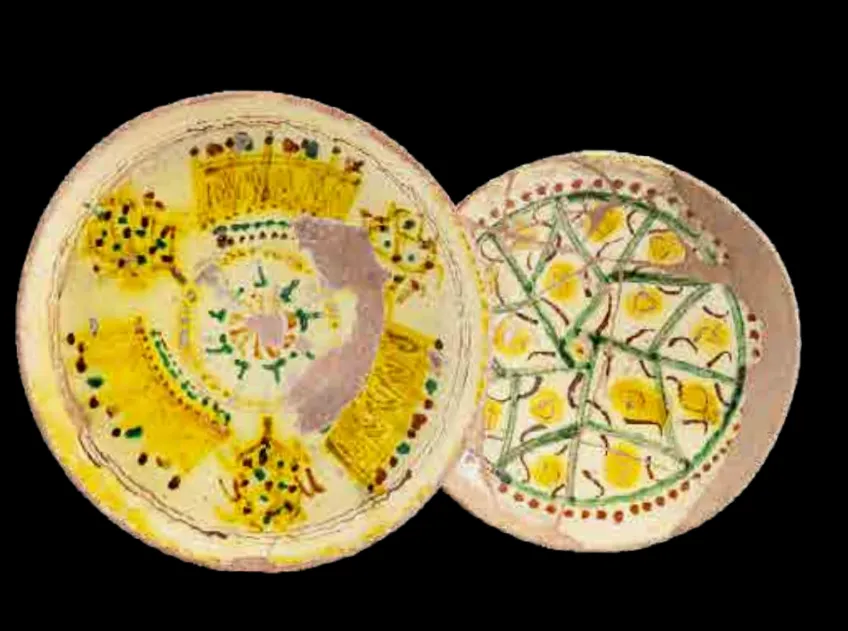
As a strong, independent possession, Ustrushana existed from the 7th to the end of the 9th centuries and then became part of the Samanid State and later the Kara-Khanid State. It was one of the last centers of Mavarannahr that was converted to Islam. The site was studied during World War II. In the course of the excavations, materials of the early Common Era and a 6th – century castle were discovered in the lower layer; the upper layer contained 11th–13th-century houses, glazed and stamped pottery, glass, coins, jewelry etc.
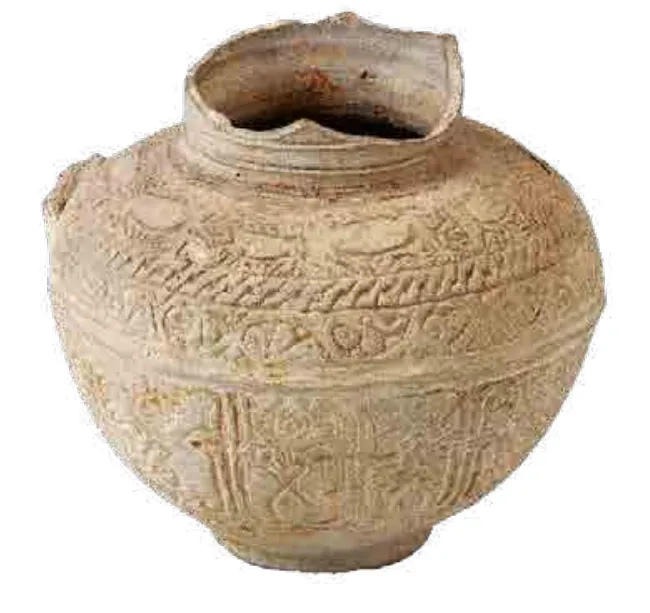
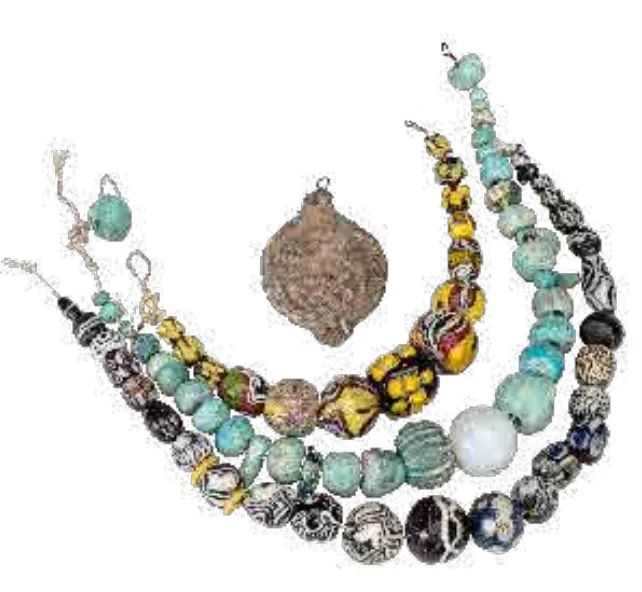
Traces of ceramic production on the site date from the Kushan period. During a 1945 expedition, A.N. Bernshtam recorded a great number of vessels, semi-finished items, and pottery supplies on the hills of Munchaktepa and its surroundings. Especially characteristic of the site are vessels of grey clay with stamped decorations. Such items were shaped and ornamented with the use of two-sided molds (kalybs); when dried, the parts were joined together, then separately made necks and handles were added, and the whole thing was fired in a kiln. Judging by the finding of the mold (kalybs) on the site, these vessels were made locally at Munchaktepa. Usually stamped pottery is dated to the pre-Mongol period, from the 10th to the 12th–13th century. Beads were also found in great numbers at Munchaktepa. A part of the site’s name, “Munchak”, means “bead”.
Apparently, they were stably produced in the settlement. These items included faience beads, smooth and ribbed, and glass ones, with dots and stripes, black-and-white and multicolored. Such beads were popular in the 12th–14th centuries, not only in Central Asia, but all along the continent, from Chersonesus on the northern shore of the Black Sea to Karakorum in East Turkestan.
You can learn more about the topic in the book-album "Collection of the State Hermitage Mavarannakhr Art 8th – 15th centuries" (XV volume) from the series "Cultural Legacy of Uzbekistan in the World Collections".
The main sponsor of the project is the oilfield services company Eriell-Group.