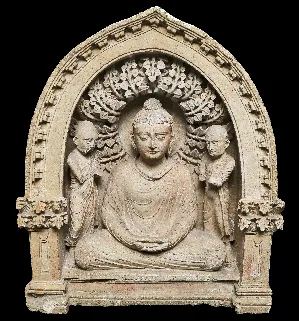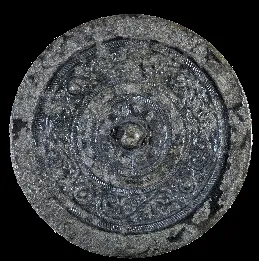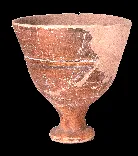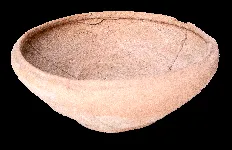
As for chronology, they cover a huge period of time, from the early Paleolithic period (1 500 000 BC) to the 16th century. Among the exhibits there are unique tools of labor, items of bronze and iron foundry, glass and wood articles, sculptures made of clay and ganch, and wall paintings.
A rich section of the archaeological collection is made up of objects of Antiquity (5th century BC – 4th century AD). These are magnificent examples of ceramics from the archaeological sites of Afrasiab in Samarkand, Koktepa in the Samarkand region, Khalchayan, Dalverzintepa and Termez in the Surkhandarya region, samples of stone, clay and ganch sculptures and wall paintings from Buddhist temples of Fayaztepa and Karatepa, as well as the large collection of terracotta.
Among the materials received by the Museum in 2015 – 2018, items from the excavations of the joint Uzbek-Japanese expedition of the State Museum of the History of Uzbekistan and the Museum of the University of Tokyo in the Kashkadarya and Surkhandarya regions should be especially mentioned. These are stone tools such as scrapers, plates, nuclei, etc.
You can learn more about this topic in the book-album “The Collection of the State Museum of the History of Uzbekistan” (part one) (Volume XXVI) from the series "Cultural Legacy of Uzbekistan in the World Collections".
The main sponsor of the project is the oilfield services company Eriell-Group.