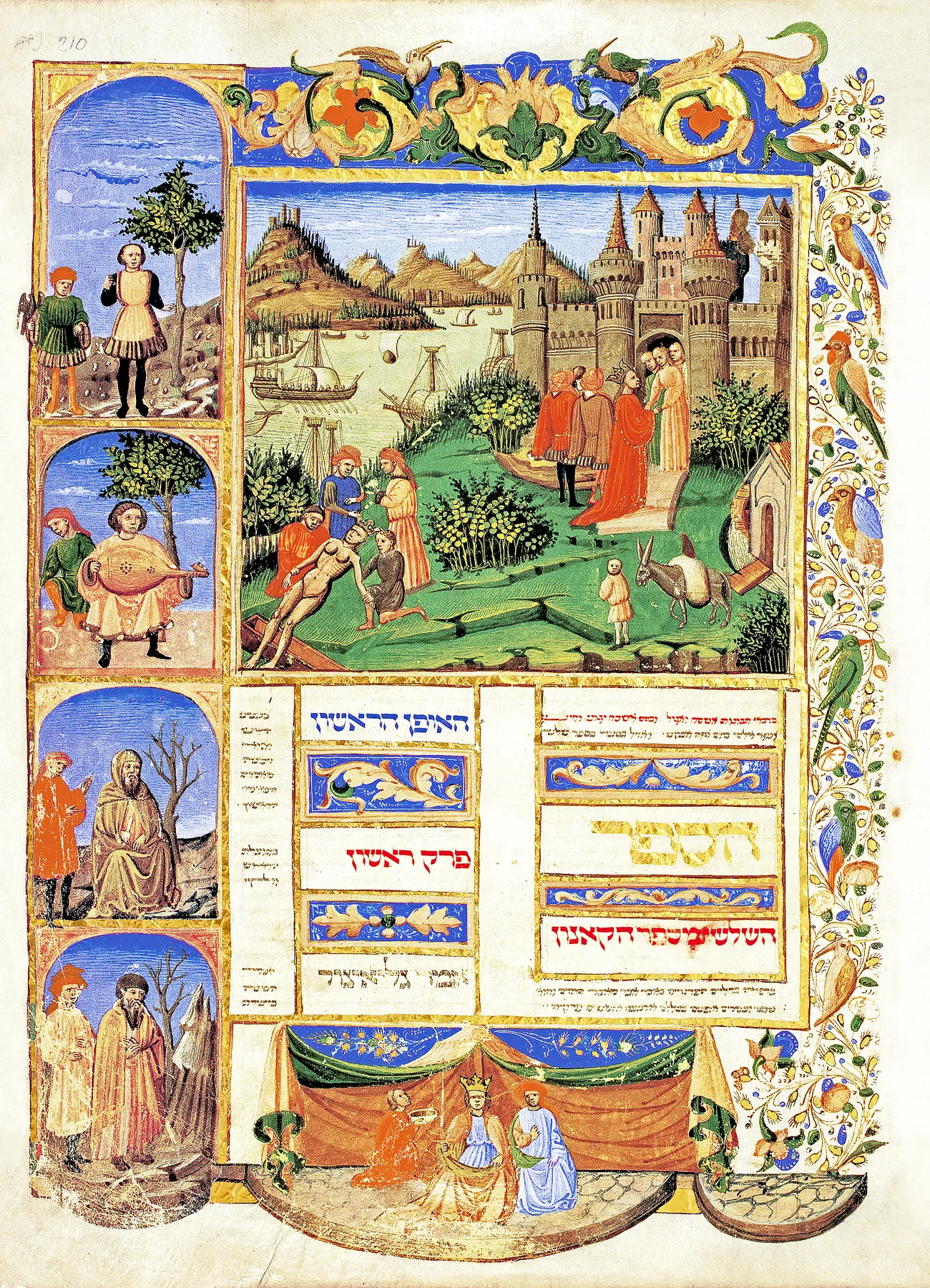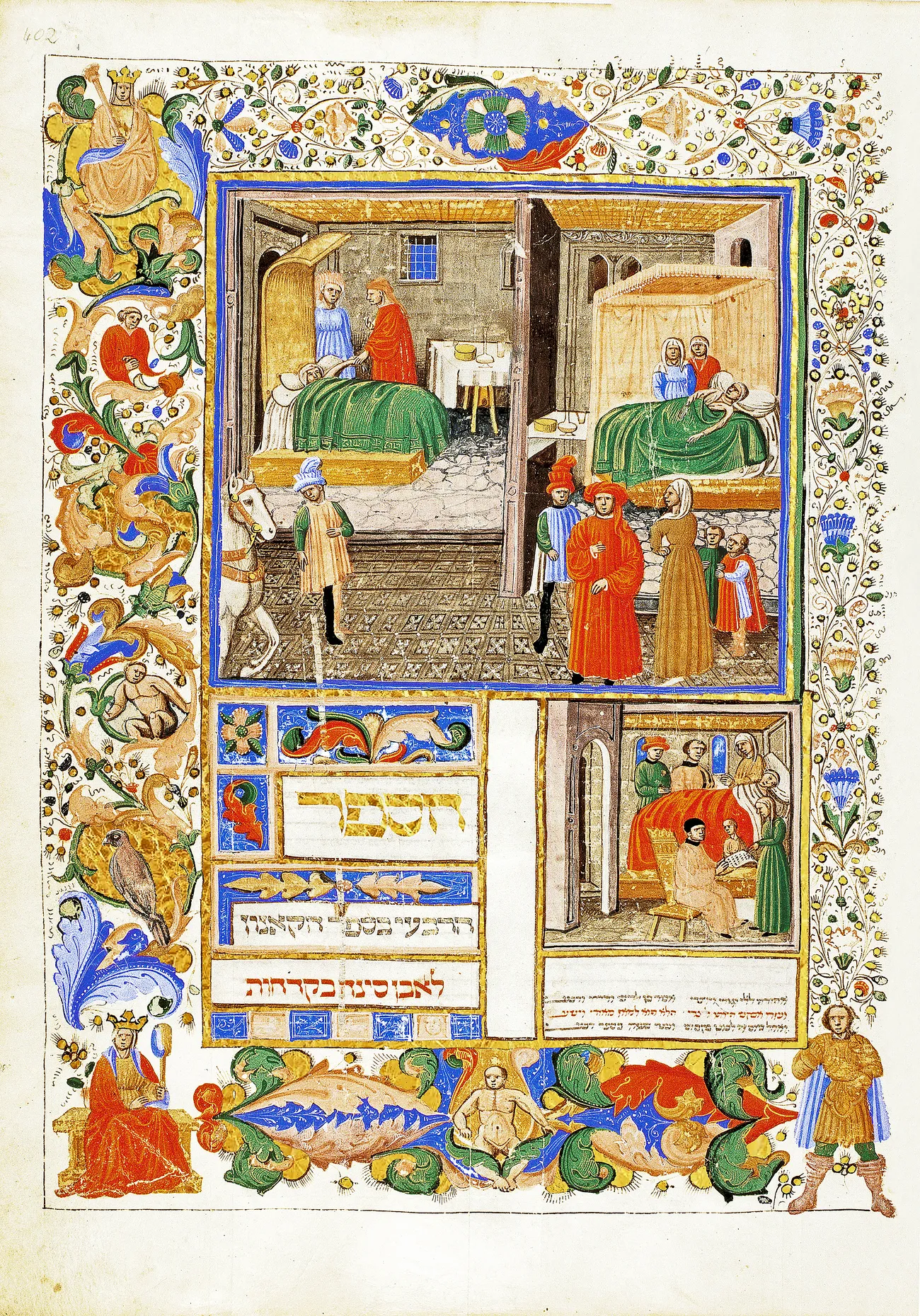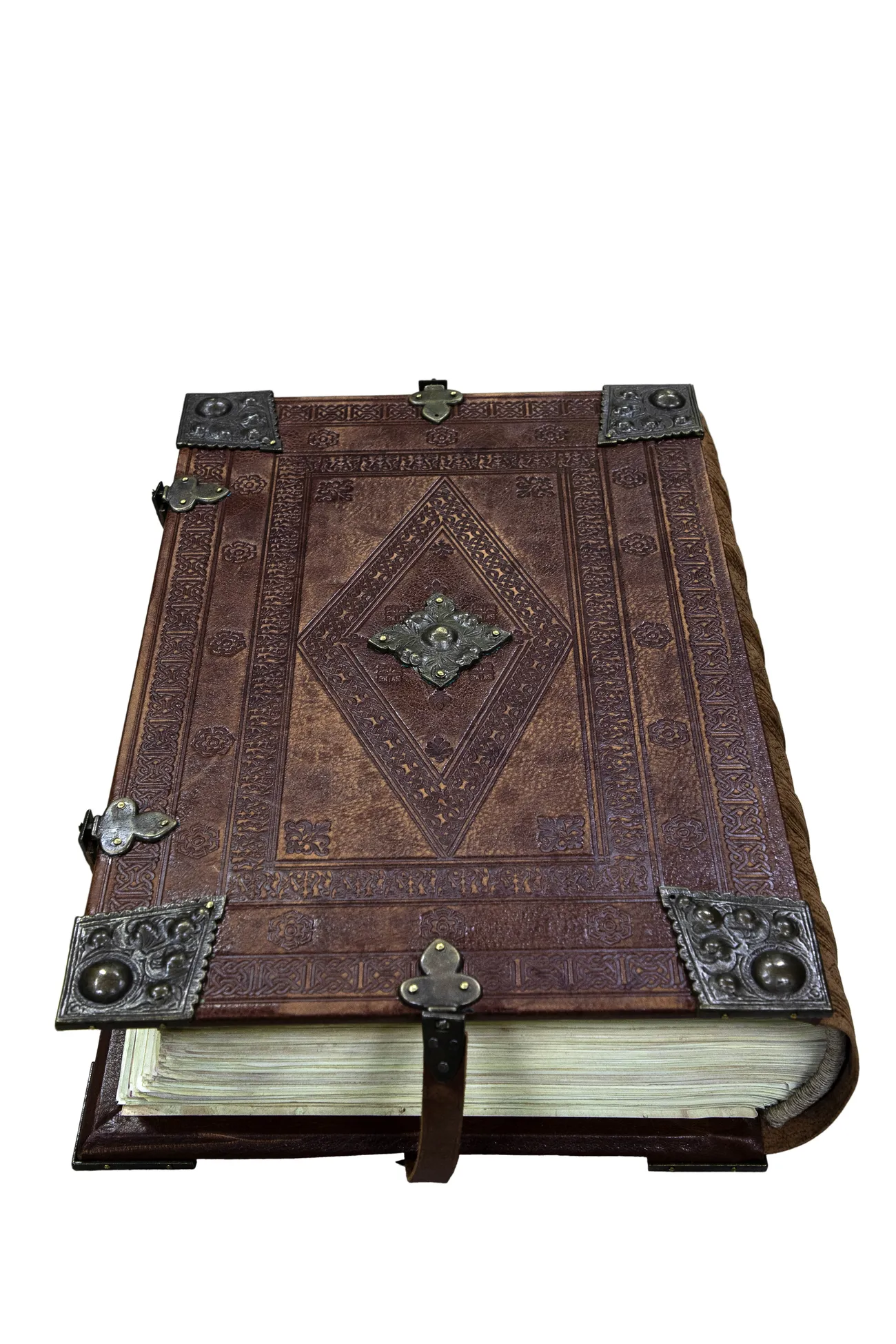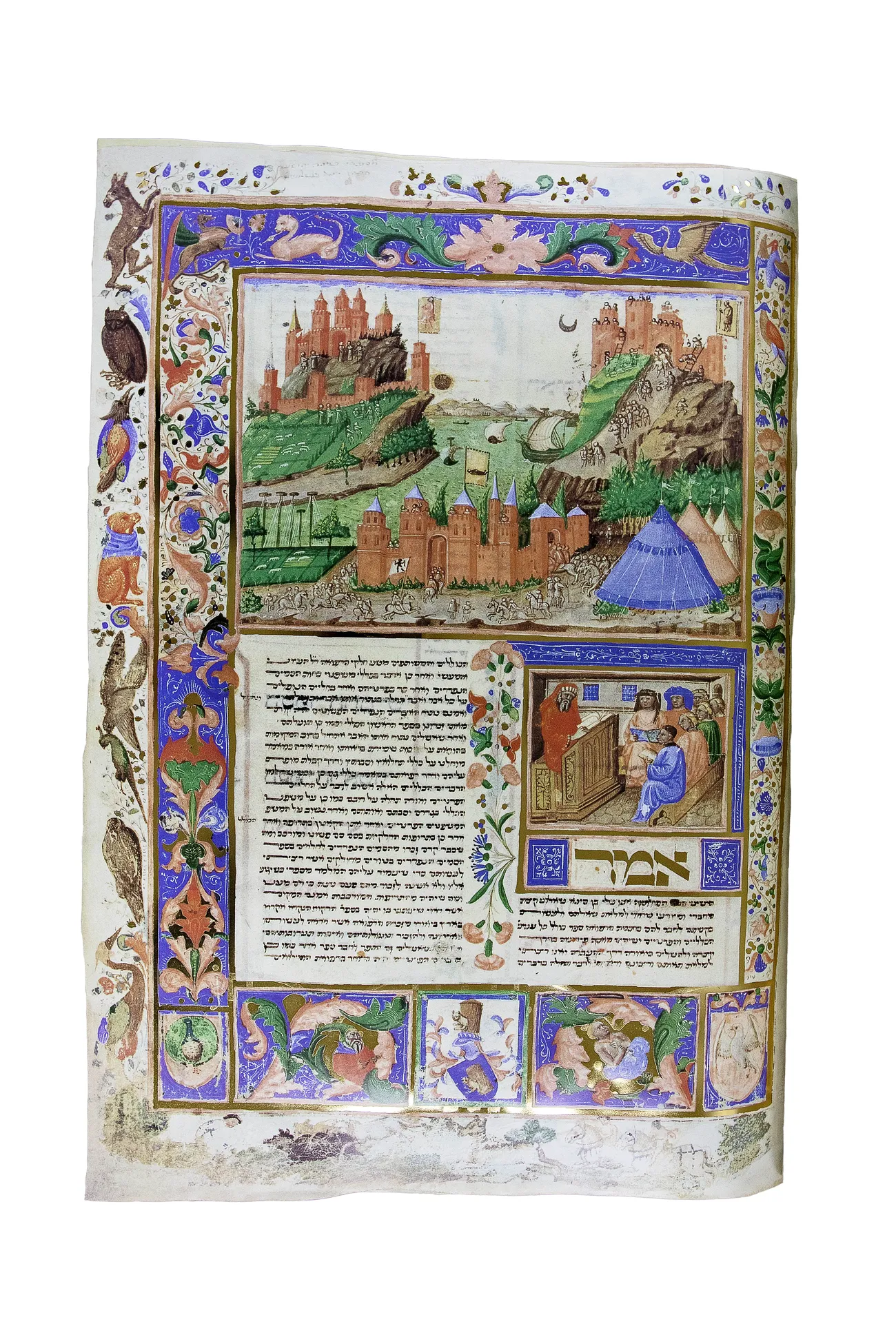
In the 15th century, several translated copies of The Canon were illustrated in Spain and Italy, but none of them can boast illustrations as rich as the copy stored in Bologna: the manuscript features rich ornamentation and wonderful miniatures. Initially, the manuscript was owned by a private person. In the late 18th century, it was stolen by Napoleon's troops and brought to France. After the emperor's fall, the copy was returned to the papal library in Bologna (now the University Library).
The manuscript's decorated frame depicts medieval diagnostic methods such as pulse measurement, as well as preventive measures - bathing, bloodletting and heliotherapy.
This manuscript is undoubtedly one of the most valuable collections of medical images from the late Middle Ages.
You can learn more about the topic in the book-album Cultural Legacy of Uzbekistan in the Collections of Italy from the Cultural Legacy of Uzbekistan in the World Collections series (volume XXXII, pp. 48-51).
The main sponsor of the project is the oilfield services company Eriell Group.