
Visit of the Delegation of the Center for Islamic Civilization in Uzbekistan to the Center for Islamic Studies (ISAM)
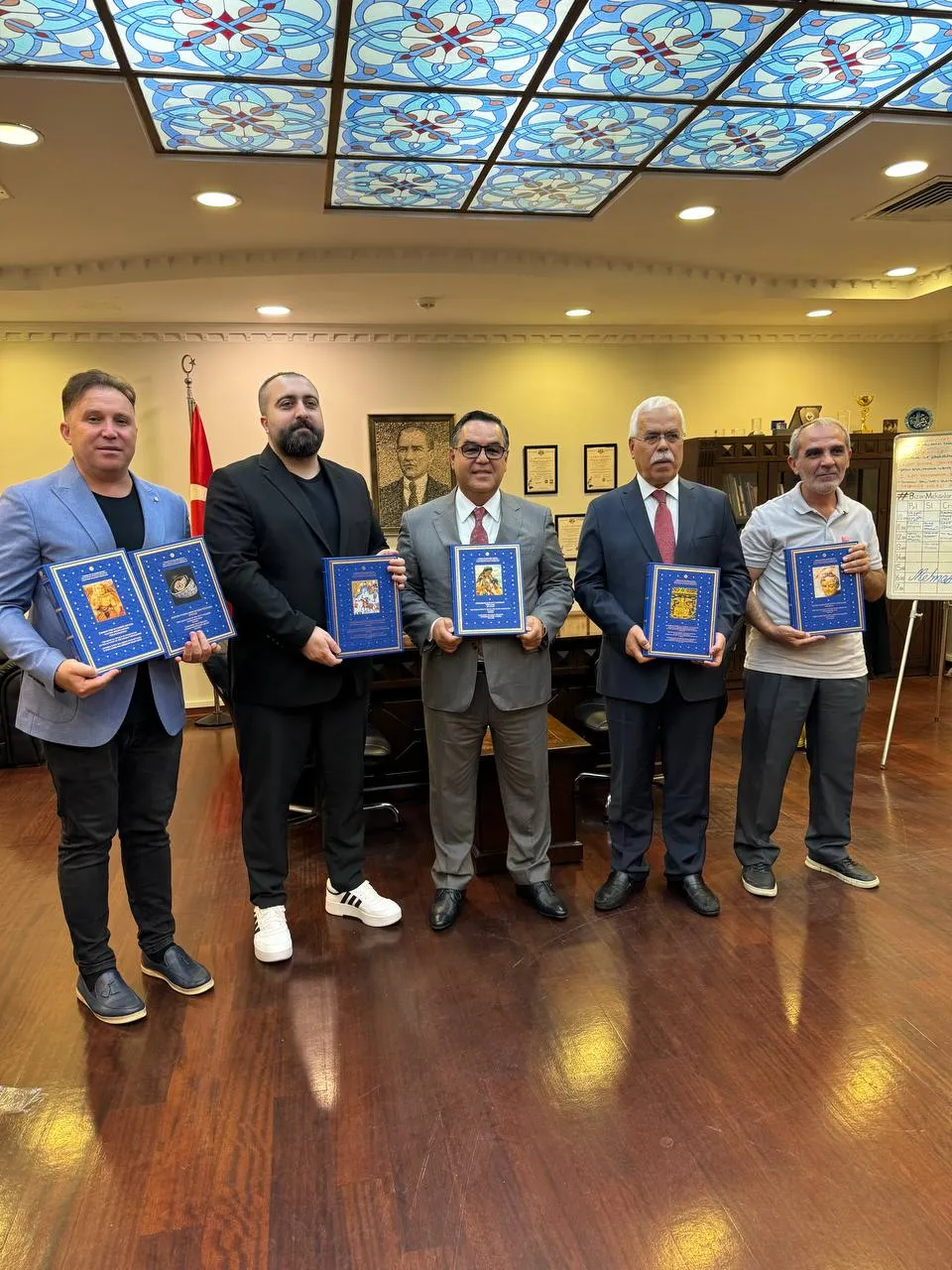
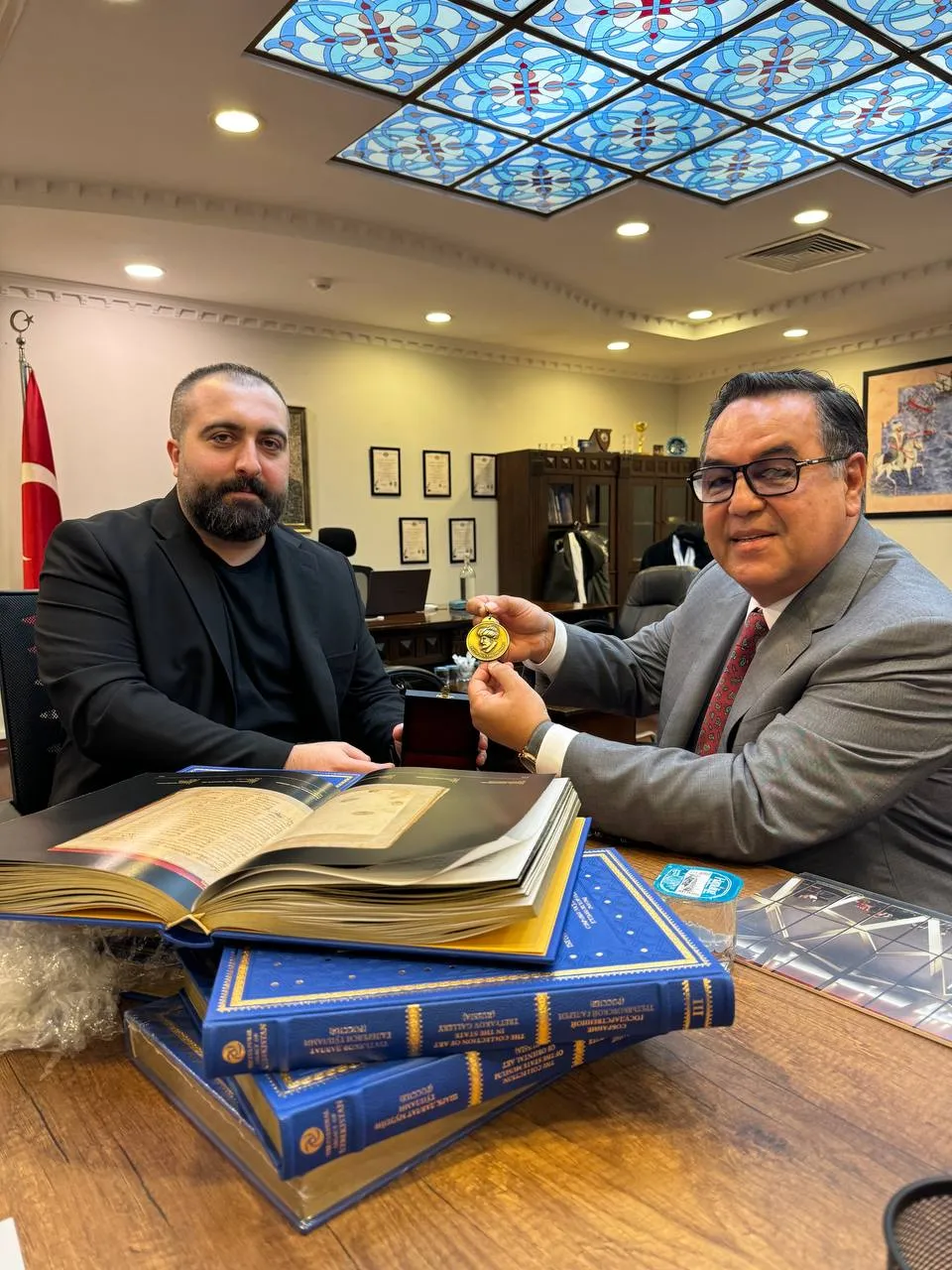
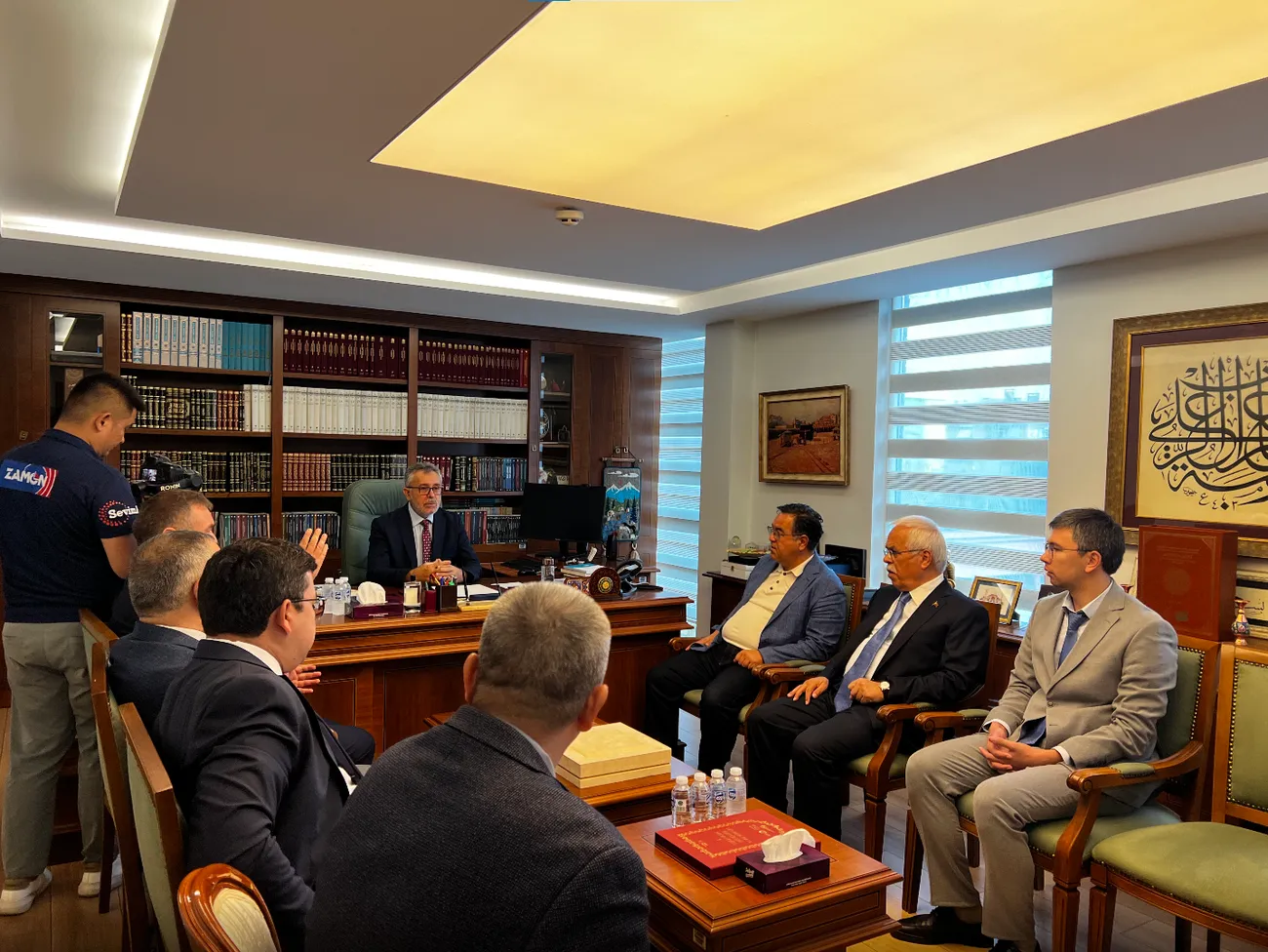
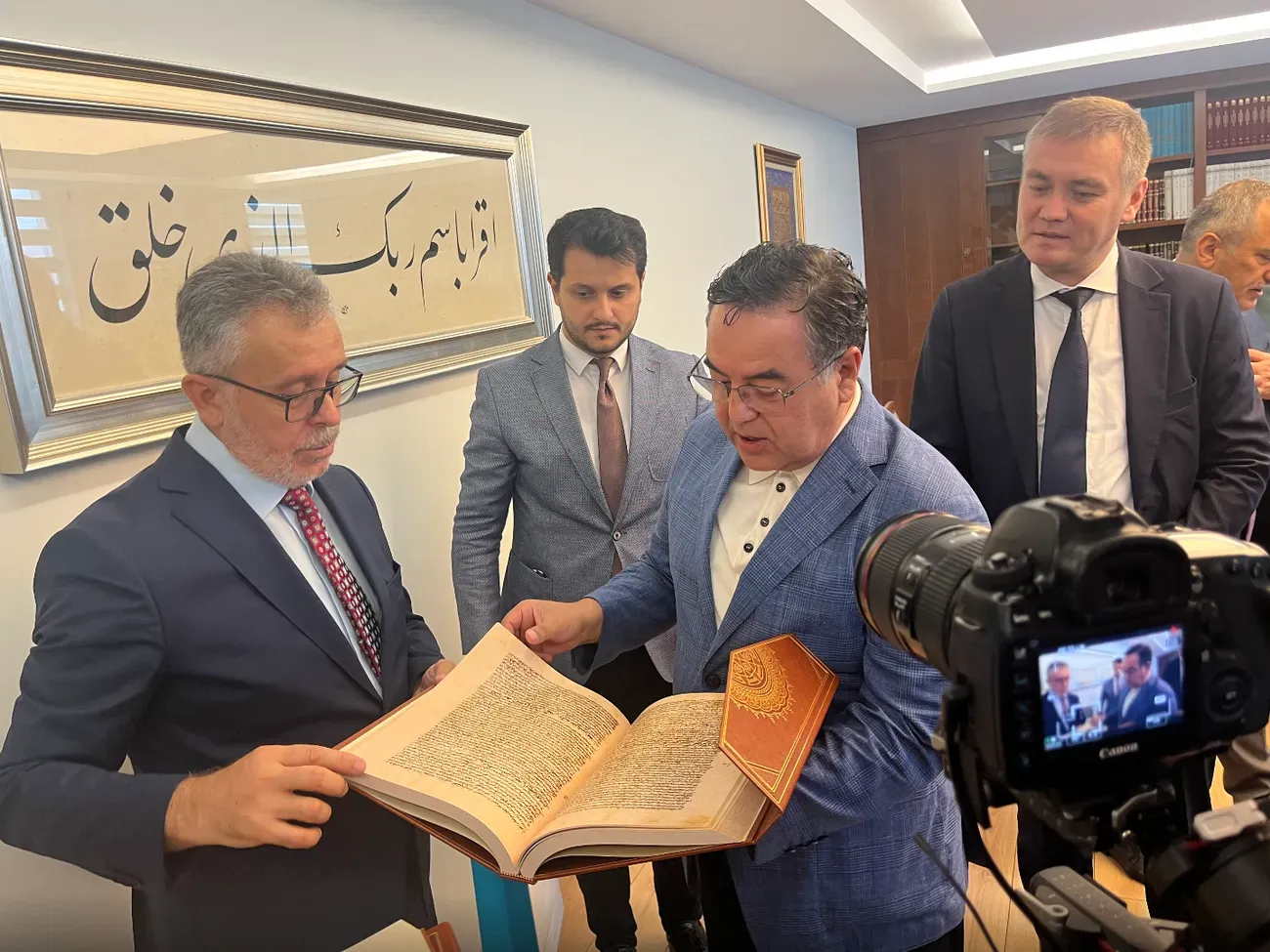
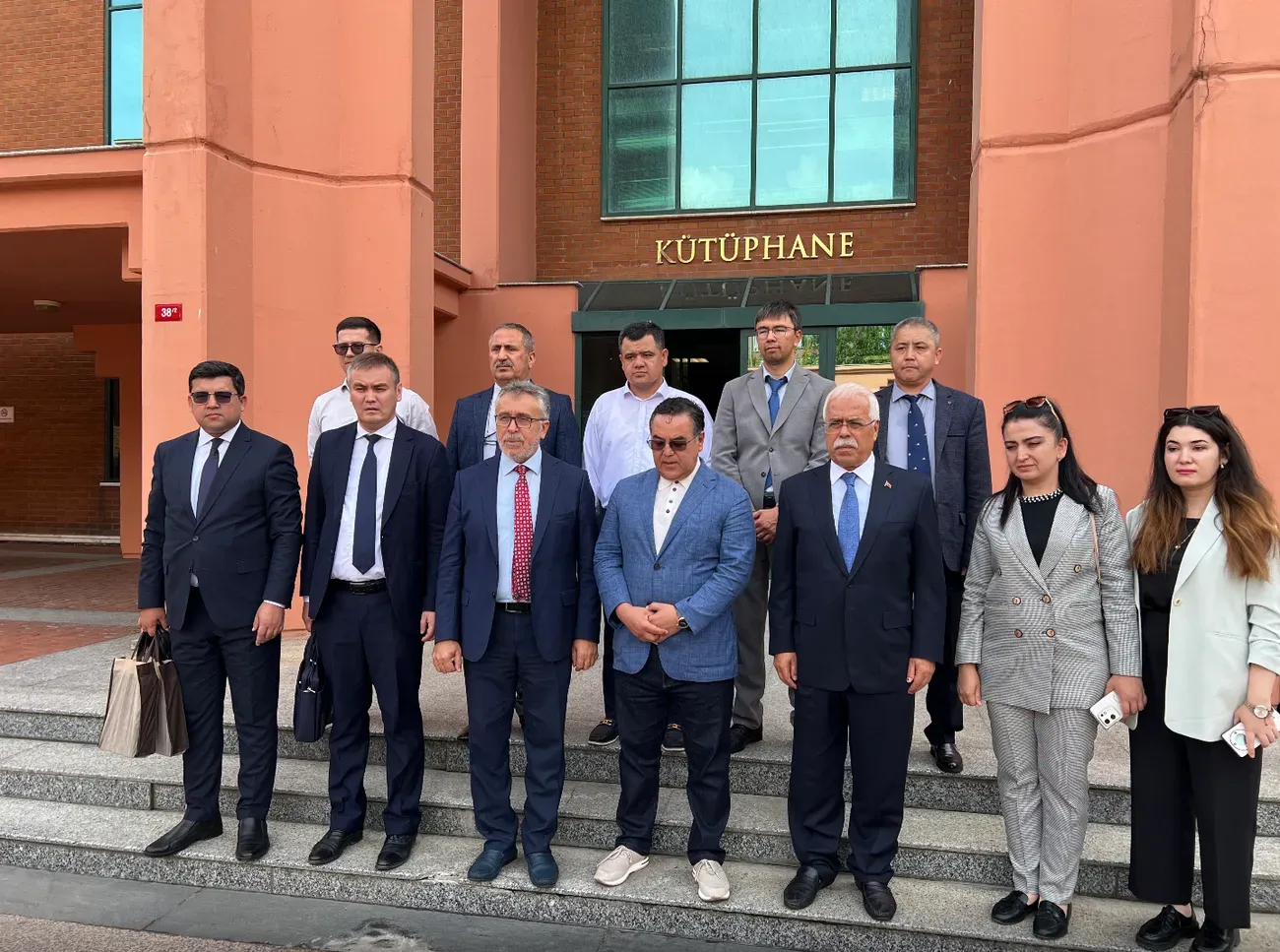
On September 18, 2024, a delegation from the Center for Islamic Civilization in Uzbekistan visited the Center for Islamic Studies (ISAM) in Istanbul. As part of the visit, presentations and discussions were held to strengthen cooperation between the two institutions in the field of Islamic studies and cultural exchange.
The event began with a welcome speech by ISAM Director Murtaza Bedir, who emphasized the importance of strengthening academic ties and exchanging experience in Islamic studies between Turkey and Uzbekistan. Firdavs Abdukhalikov, Director of the Center for Islamic Civilization in Uzbekistan and Chairman of WOSCU, in his opening remarks, highlighted the significance of collaboration between research centers and thanked the Turkish colleagues for their warm reception.
The delegation was introduced to the activities of the Center for Islamic Studies (ISAM). Special attention was given to the discussion of scientific projects and research programs, as well as the ISAM library, which is one of the largest in Turkey in the field of Islamic studies.
During the visit, there was also a presentation of the multi-volume Islamic Encyclopedia on historical figures, the history, and theology of Islam, prepared by ISAM’s research institute. The books reflect the richness of Islamic culture and manuscript heritage, including the contributions of notable scholars and researchers from Uzbekistan.
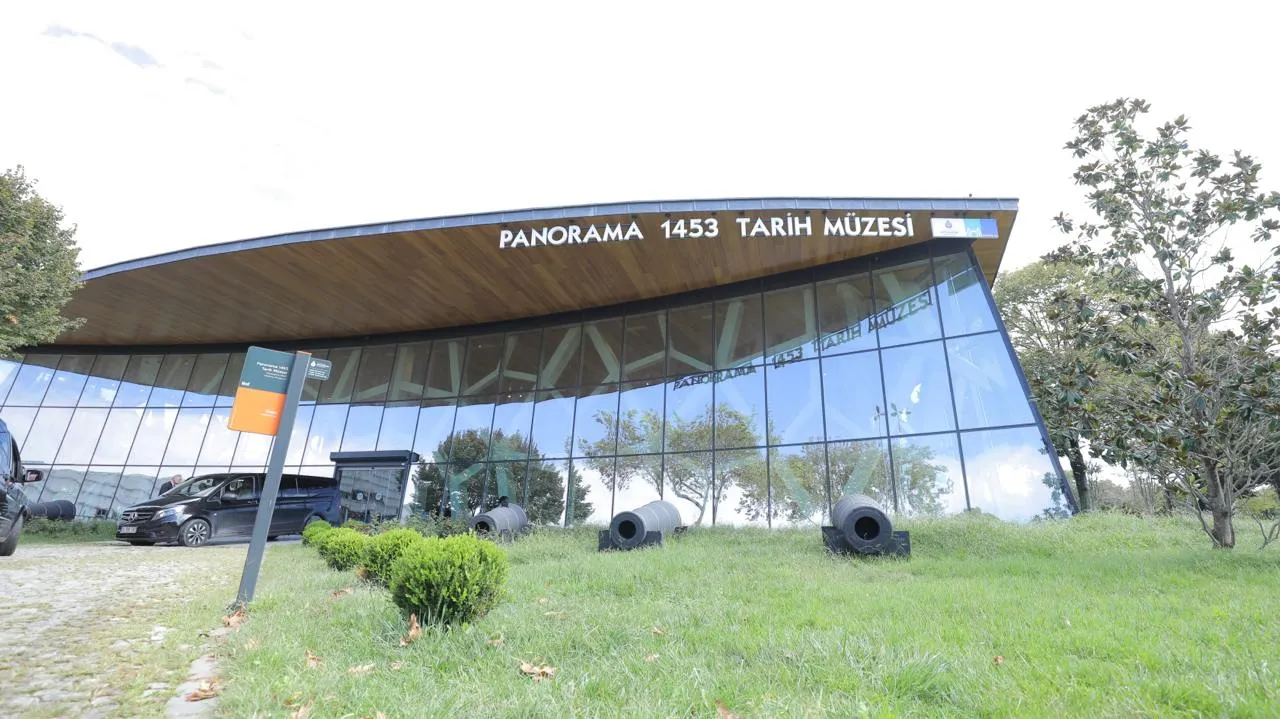
At the conclusion of the meeting, negotiations were held on further cooperation. The parties discussed the possibilities of joint projects in the field of Islamic civilization studies and the organization of joint events. The creation of an encyclopedia on the scholars of Uzbekistan was also discussed. One of the key events is, without a doubt, the conquest of Istanbul in 1453. This event marked the end of one empire, the victory of another, and the beginning of a new era. If you want to fully appreciate the grandeur of Istanbul, the historical museum “Panorama 1453” should be on your list of must-visit places. A delegation consisting of representatives from the international research centers of Imam Bukhari, Imam Maturidi, and Imam Termizi, led by the director of the Center for Islamic Civilization of Uzbekistan and Chairman of WOSCU, visited the “Panorama 1453” museum. They familiarized themselves with the exhibits dedicated to the conquest of Istanbul by Sultan Mehmed the Conqueror of the Ottoman Empire, as well as the museum’s innovative technologies and 3D projections. The delegation was greeted by the museum’s director, Mehmet Akkaya. The idea and execution of the museum’s construction date back to 2003, while the building works started in 2005 and were completed in 2008. The museum opened its doors to visitors on January 31, 2009. Eight artists played a key role in creating the panorama. The author of the project’s concept is the artist and director Hosim Sitizen. Under his leadership, Ramazan Erkut, Yashar Zeynalov, Oksana Legkaya, Ahmet Kaya, Hasan H. Dincher, Atilla Tunka, and Murat Efe worked on the project. This team created the first panoramic museum in Turkey. The museum’s main exhibit is a massive panoramic painting with a diameter of 38 meters, covering 360 degrees. However, the way it is presented creates an illusion of an even larger size, making it impossible to perceive its actual dimensions. Visitors are stunned by this sight in the first few seconds of their visit. To enhance the illusion, sound effects such as gunshots, soldiers' shouts, and battle music have been added. Pigment paints, which will retain their original form for a hundred years, were used to create the museum's paintings. The massive panoramic painting in the museum's main hall contains a large number of details, and ensuring their harmonious interaction was no easy task. Even the destroyed parts of the city walls and their dimensions were depicted based on a report to Istanbul’s first governor, Hızır Bey, about the restoration of the city walls. The panoramic view covers an area of three square meters. Between the visitors and the images on the walls are cannons, bullets, explosives, swords, and barrels, all of which enhance the effect of the illusion. Of course, the panoramic image can be downloaded from the museum’s official website and viewed on your phone or computer. But keep in mind that the real experience can only be had by visiting the museum in person and immersing yourself in its atmosphere.