
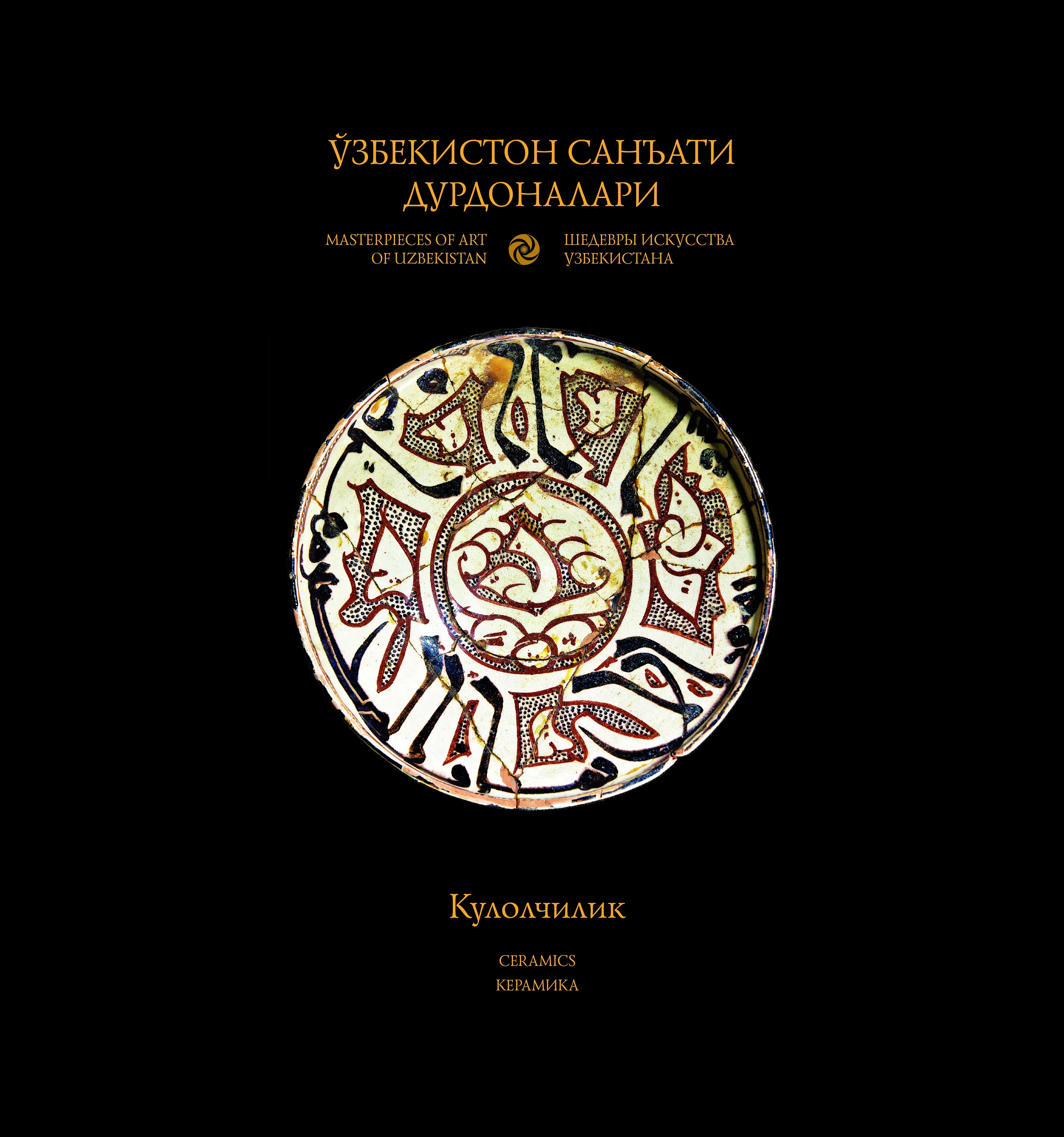
CERAMICS
Description
Ceramics
Ceramics is a special language that Time itself speaks to us. Over millennia, both wood and metal crumble into dust. And only the indestructible clay, passed through the fiery furnaces, reaches the descendants through hundreds of generations that have sunk into oblivion.
Ceramics of Uzbekistan is special. It is able to "tell" the history of the entire Central Asian region. It reflects the development of trade relations and the echo of military campaigns, the rise and fall of the ruling dynasties, migration and mixing of cultures. You just need to be able to see and hear.
The most spectacular glazed pottery appeared in the 9th century. Several schools became the brightest - Afrasiab (9th-12th centuries), Timurid (15th century) and three schools of the late medieval states - the Khiva and Kokand khanates, the Bukhara emirate. They are very different - in decor and color, and at the same time, they have something in common.
The heart of a connoisseur of laconic forms and images cannot but be touched by the dishes of Afrasiab, perfect in their harmony, made in two or three colors, when on a reddish-brown, white or black field the master applies an exquisite ligature of text in a contrasting tone, literally turning the dish into an absolute masterpiece of design art with a few movements of the brush. Timurid ceramics demonstrates a passion for one chosen scale - white and blue. Ceramics of the period of the Khanates is an extravaganza of patterns and styles. You can learn more about each school when reading this album.
Author of the Masterpieces of Art of Uzbekistan series, author of the opening speech: Firdavs Abdukhalikov, Board Chairman of the World Society for the Study, Preservation and Popularization of the Cultural Legacy of Uzbekistan, author and manager of the Cultural Legacy of Uzbekistan in the World Collections project.
Academic editor of the series: Elmira Gyul (Institute of Art Studies of the Academy of Sciences of the Republic of Uzbekistan, academic coordinator of the Cultural Legacy of Uzbekistan in the World Collections project, Uzbekistan).
Text by Lilia Nikolenko (journalist, blogger)
Design by Lola Radjabova (The Cultural Legacy of Uzbekistan in the World Collections project, Uzbekistan).
CERAMICS
Description
Ceramics
Ceramics is a special language that Time itself speaks to us. Over millennia, both wood and metal crumble into dust. And only the indestructible clay, passed through the fiery furnaces, reaches the descendants through hundreds of generations that have sunk into oblivion.
Ceramics of Uzbekistan is special. It is able to "tell" the history of the entire Central Asian region. It reflects the development of trade relations and the echo of military campaigns, the rise and fall of the ruling dynasties, migration and mixing of cultures. You just need to be able to see and hear.
The most spectacular glazed pottery appeared in the 9th century. Several schools became the brightest - Afrasiab (9th-12th centuries), Timurid (15th century) and three schools of the late medieval states - the Khiva and Kokand khanates, the Bukhara emirate. They are very different - in decor and color, and at the same time, they have something in common.
The heart of a connoisseur of laconic forms and images cannot but be touched by the dishes of Afrasiab, perfect in their harmony, made in two or three colors, when on a reddish-brown, white or black field the master applies an exquisite ligature of text in a contrasting tone, literally turning the dish into an absolute masterpiece of design art with a few movements of the brush. Timurid ceramics demonstrates a passion for one chosen scale - white and blue. Ceramics of the period of the Khanates is an extravaganza of patterns and styles. You can learn more about each school when reading this album.
Author of the Masterpieces of Art of Uzbekistan series, author of the opening speech: Firdavs Abdukhalikov, Board Chairman of the World Society for the Study, Preservation and Popularization of the Cultural Legacy of Uzbekistan, author and manager of the Cultural Legacy of Uzbekistan in the World Collections project.
Academic editor of the series: Elmira Gyul (Institute of Art Studies of the Academy of Sciences of the Republic of Uzbekistan, academic coordinator of the Cultural Legacy of Uzbekistan in the World Collections project, Uzbekistan).
Text by Lilia Nikolenko (journalist, blogger)
Design by Lola Radjabova (The Cultural Legacy of Uzbekistan in the World Collections project, Uzbekistan).