
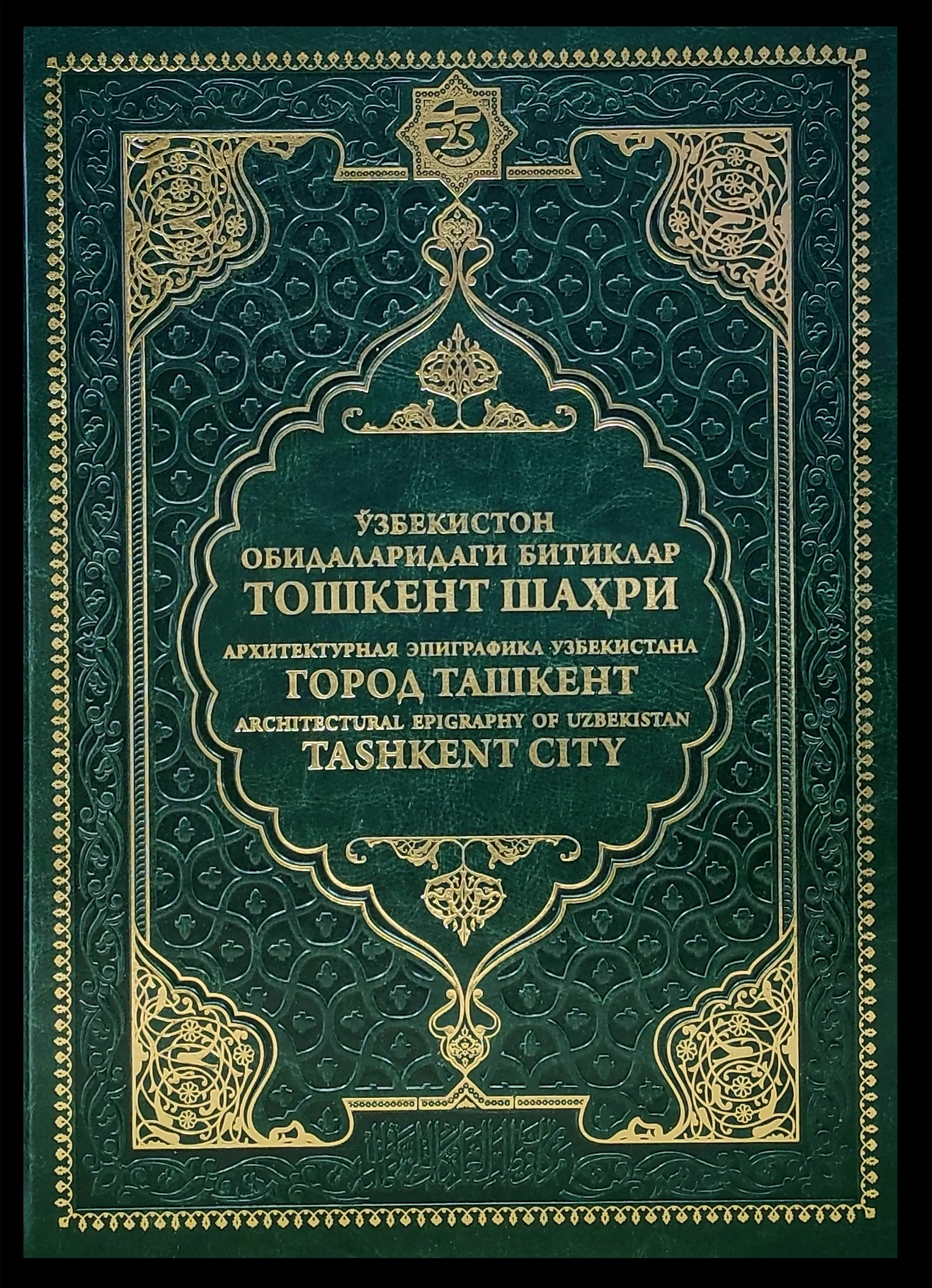
АРХИТЕКТУРНАЯ ЭПИГРАФИКА УЗБЕКИСТАНА ГОРОД ТАШКЕНТ
Описание
Во время правления Амира Темура (1370–1405) и Темуридов Ташкент обрел значение города-форпоста на стыке оазиса с кочевой степью.
В XIV в. здесь были проведены большие перепланировочные работы, уничтожившие рельеф древнего Бинката – Ташкента IX – XIII вв. Амир Темур приказал восстановить разрушенные святые места. Так, возле могилы популярного в Ташкенте суфийского проповедника Зангиаты (Айхужа ибн Тажхужа, ум. в 1258 г.) были заложены два мавзолея, завершенные позднее Амиром Улугбеком. Здания сохранились до нашего времени.
К сожалению, из-за землетрясений большая часть древних архитектурных памятников Ташкента не сохранилась.
Поэтому любой оригинальный фрагмент, украшавший некогда средневековые сооружения, ценен своей оригинальностью. Один из таких фрагментов найден недалеко от городища Минг-Урюк. Это может быть фрагмент архитектурной резной облицовки примерно середины ХIV века.
Судя по сохранившемуся фрагменту текста, можно определить, что он часть архитектурного убранства, скорее всего, украшавшего михраб мечети. На нем сохранилось всего несколько последних слов первой суры из Корана «Ал-Фатиха»: «Валаз-золлийн. Оминь. Садакаллох (ул-азим)». Надпись выполнена почерком насх, с нерегулярной диакритикой. Пространства между буквами заполнены цветочными узорами и пальметтами.
АРХИТЕКТУРНАЯ ЭПИГРАФИКА УЗБЕКИСТАНА ГОРОД ТАШКЕНТ
Описание
Во время правления Амира Темура (1370–1405) и Темуридов Ташкент обрел значение города-форпоста на стыке оазиса с кочевой степью.
В XIV в. здесь были проведены большие перепланировочные работы, уничтожившие рельеф древнего Бинката – Ташкента IX – XIII вв. Амир Темур приказал восстановить разрушенные святые места. Так, возле могилы популярного в Ташкенте суфийского проповедника Зангиаты (Айхужа ибн Тажхужа, ум. в 1258 г.) были заложены два мавзолея, завершенные позднее Амиром Улугбеком. Здания сохранились до нашего времени.
К сожалению, из-за землетрясений большая часть древних архитектурных памятников Ташкента не сохранилась.
Поэтому любой оригинальный фрагмент, украшавший некогда средневековые сооружения, ценен своей оригинальностью. Один из таких фрагментов найден недалеко от городища Минг-Урюк. Это может быть фрагмент архитектурной резной облицовки примерно середины ХIV века.
Судя по сохранившемуся фрагменту текста, можно определить, что он часть архитектурного убранства, скорее всего, украшавшего михраб мечети. На нем сохранилось всего несколько последних слов первой суры из Корана «Ал-Фатиха»: «Валаз-золлийн. Оминь. Садакаллох (ул-азим)». Надпись выполнена почерком насх, с нерегулярной диакритикой. Пространства между буквами заполнены цветочными узорами и пальметтами.