
The Azerbaijan National Carpet Museum was founded in 1967 on the initiative of the artist and educator Latif Karimov, who laid the foundation for the science of carpet weaving. At the time of its founding, this museum was the only one of its kind in the world. To date, it has become one of the largest museums in the republic.
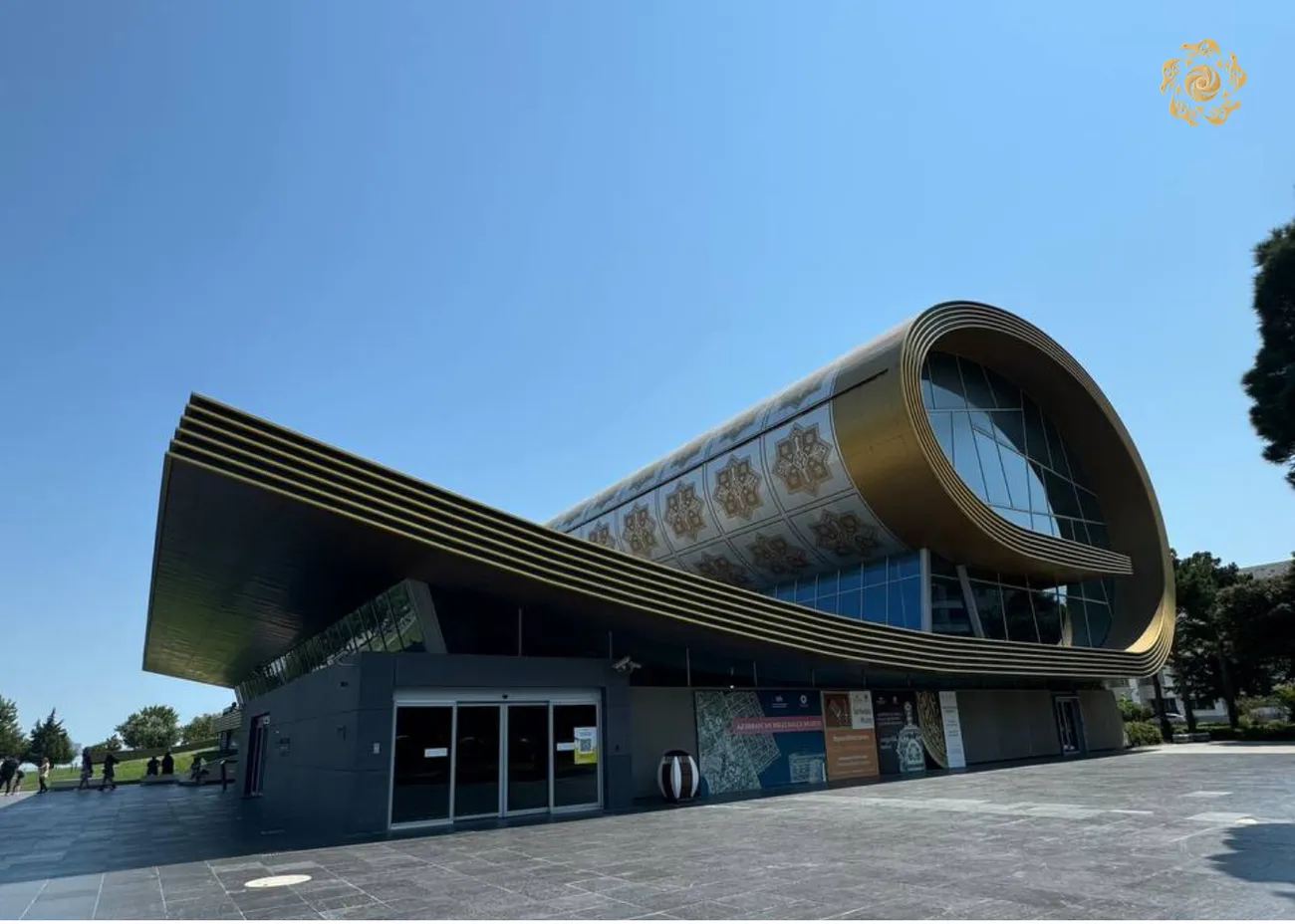
The museum houses almost all collections of Azerbaijani carpets. Initially, this cultural center was called the State Museum of Azerbaijani Carpets and Folk Applied Arts. This name is due to the fact that many collections of works, including textiles and other materials, were displayed here, which included carpets and carpet products, as well as other types of applied arts.
On the eve of the museum's opening, expeditions were organized across the regions of the republic to purchase future exhibits. Subsequently, exhibits reflecting the best examples of various types of applied arts of other peoples began to be brought in regularly, albeit in small quantities. Currently, the museum's collection consists of 10,960 exhibits. Many exhibits from the Bronze Age, Antiquity, and the Early Middle Ages are kept here. Most of the collections date back to the 18th and 21st centuries.
The "Textiles, Clothing, Embroidery" collection includes 1,200 exhibits, including not only examples of folk applied art but also works by contemporary artisans. A significant portion of the collection consists of samples of embroidery products, which is the most widespread type of decorative applied art. This art form occupies a special place among about 50 types of art and crafts that are widespread in Azerbaijan. An important role in this was played by the local silk industry, which supplied raw materials for the threads used in embroidery, as well as the highly developed art of metalworking, which produced various items for embroidery types such as gulabetin (gold embroidery), zerenduz (stamped embroidery) and pilyak (embroidery and mother-of-pearl embroidery).
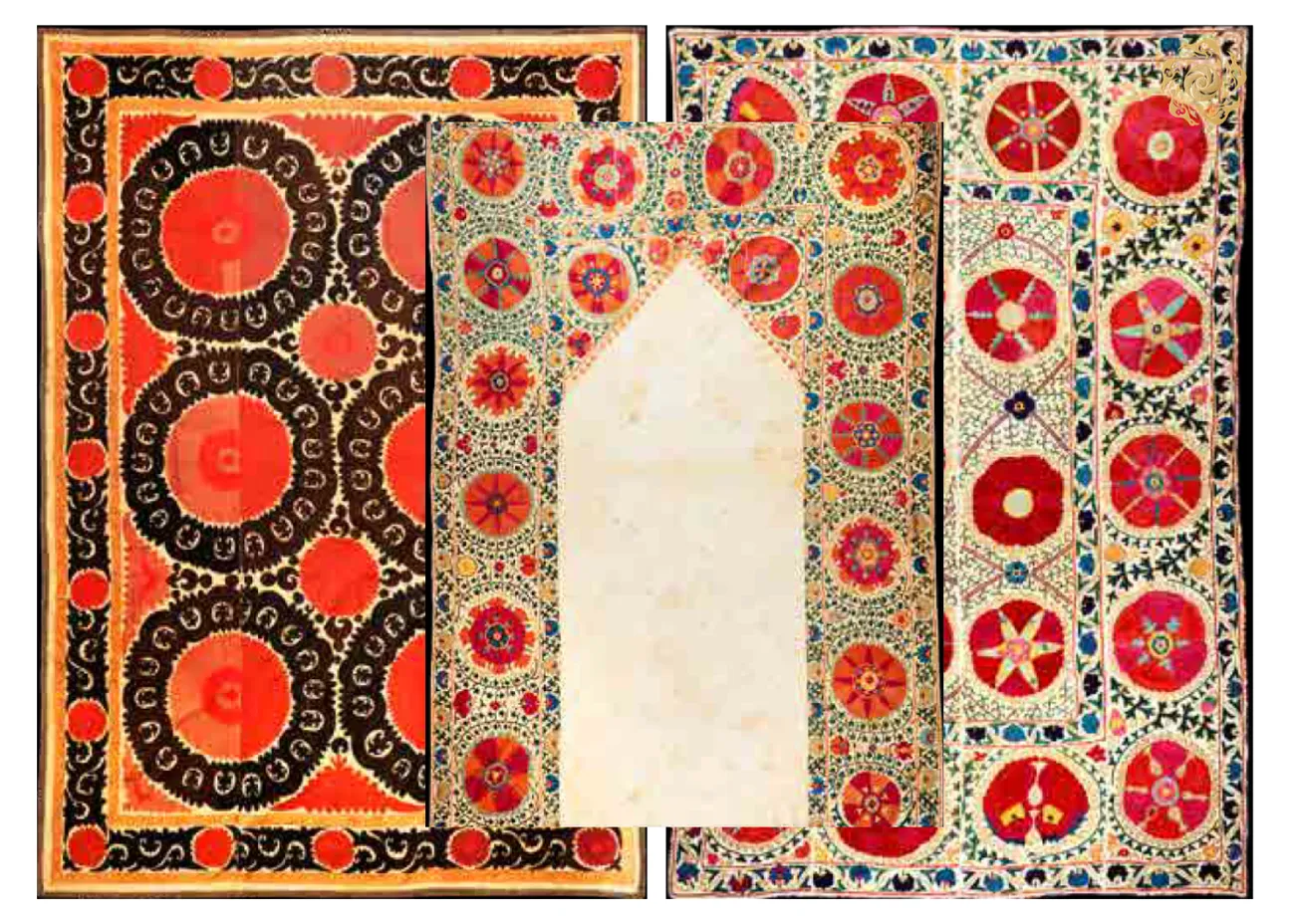
Today, the National Carpet Museum of Azerbaijan houses three examples of Uzbek embroidery. These are:
- Samarkand suzani from the beginning of the 20th century, purchased from Sayyora Namozova in 1974;
- Two products made in Bukhara from the second half of the 19th century, purchased from Sariya Veliyeva in 1979 – a bedspread called rujo and a pillowcase covering for a takia.